According to local reports, a Union Pacific freight train recently struck a landscaping truck at the Safe Street crossing just north of Locus Street in Elgin. One person died, and two others were rushed to the hospital. In the days that followed, officials added temporary stop signs and required train crews to “stop and protect” the area before crossing. These steps show how quickly conditions can shift after a serious rail incident, and how much is at stake when safety measures fall short.
Table of Contents
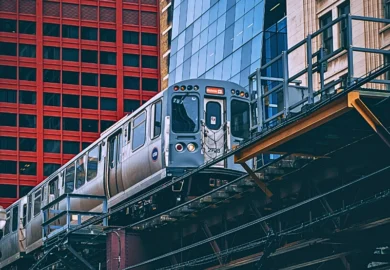
When a train collides with a vehicle or strikes a pedestrian in Illinois, the fallout lands hard. Medical bills grow. Work stops. Families search for answers, while railroad companies and insurers move fast to contain their exposure. For people caught in these situations, the path forward often hinges on understanding how Illinois law treats railroad-related injuries and what options exist for meaningful recovery.
If you or a loved one has been injured in a train accident, contact Ankin Law today. Our experienced railroad collision attorneys will review your case and explain your legal options. Call 312-600-0000 for a free consultation.
How Train Crashes Happen and Who May Be Responsible
Train crashes often begin with a single missed warning or mechanical failure, but responsibility rarely lands in just one place. A driver may approach a crossing too quickly or assume the tracks are clear. A crossing signal might be malfunctioning or obscured. The train operator may not have enough time or distance to react. Vegetation, track deterioration, and equipment problems also play a role in some Illinois cases.
Responsibility depends on the specific conditions surrounding the crash. Railroads must keep crossings safe and equipment in working order. Operators must follow procedures and speed limits. Drivers must approach crossings with caution. Municipal entities may be drawn into the analysis if a known hazard went unaddressed. Manufacturers can face scrutiny when a faulty light, gate arm, or brake system contributes to the collision. Each piece of the puzzle matters, and the investigation often determines which parties share accountability.
What Victims Can Expect After a Train Accident in Illinois
The period after a train crash is often overwhelming. Medical treatment takes priority, yet the legal process begins almost immediately behind the scenes. Police and railroad investigators examine the scene, study equipment, and begin building their reports. Railroads typically assign their own teams to secure evidence and document conditions.
For injured individuals, prompt medical care and clear documentation set the foundation for any claim. As insurance representatives begin reaching out, many people discover how quickly they’re pushed into conversations about fault and settlement. Having a legal team step in early helps keep the process balanced, especially when the crash involves life-changing injuries or a fatality.
Illinois generally gives victims two years to file a lawsuit. That window can shrink depending on the parties involved, especially when claims touch government entities. Evidence, however, is most reliable in the days and weeks immediately following a crash, which is why early action matters.
What Compensation May Look Like in a Train Accident Case
Compensation in rail-related injury cases covers more than the initial hospital visit. Medical treatment, rehabilitation, and ongoing care often form a large part of the financial picture. Lost income becomes another pressing concern for many victims, especially when recovery takes months or prevents a full return to work.
Illinois law also allows recovery for personal harm tied to the accident, including physical pain, emotional impact, or changes in daily life. When a crash leads to a fatality, surviving family members may recover funeral expenses and the financial support the person would have provided. The scope of compensation depends on the injuries, long-term outlook, and how the crash unfolded.
The Federal Railroad Administration and Safety Standards
Railroad operations in Illinois fall under both state oversight and federal regulation. The Federal Railroad Administration sets minimum standards for crossing signals, track maintenance, and train operations. When railroads fail to meet these requirements, violations can strengthen a victim’s case by demonstrating a departure from accepted safety practices.
Illinois has its own standards that sometimes exceed federal minimums. Grade crossing improvements, signal timing, and visibility requirements all factor into whether a crossing meets state expectations. In cases where neighbors have reported ongoing safety concerns, as happened at the Elgin crossing, documentation of prior complaints can become critical evidence. Pattern evidence showing repeated problems at a specific location often indicates that responsible parties knew about the danger but failed to act.
Common Challenges in Train Accident Claims
Railroad companies operate with substantial resources and experienced legal teams trained to minimize liability. They often investigate crashes quickly, sometimes interviewing witnesses before victims have secured their own representation. Statements made in the immediate aftermath of a crash can be used later to limit recovery, which is why having legal guidance from the start helps protect your interests.
Determining fault in train accidents requires technical knowledge. Accident reconstruction experts analyze sight lines, train speeds, braking distances, and signal timing. Engineering specialists evaluate whether crossings met design standards. Medical professionals connect injuries to the specific forces involved in the collision. Building a strong case means assembling this expertise early and preserving evidence before it disappears.
Another challenge involves the interplay between different legal standards. Railroad companies may invoke federal preemption arguments, claiming that federal law shields them from certain state-law claims. Understanding how these defenses work and when they apply requires familiarity with both state negligence law and federal railroad statutes.
Moving Forward After a Train Crash
The aftermath of a train accident brings questions that deserve clear answers. Illinois law provides avenues for recovery, but navigating the process requires knowledge of railroad regulations, evidence preservation, and the tactics insurers use to limit their exposure. For victims dealing with serious injuries or the loss of a family member, having skilled legal representation means someone is protecting their interests while they focus on healing.
Train accidents in Illinois can result in catastrophic injuries and profound losses. Understanding your legal options and acting quickly to preserve your rights gives you the best chance at meaningful recovery. If you’ve been affected by a train crash, reaching out to an experienced railroad accident attorney can make all the difference in securing the compensation you need to move forward. Contact Ankin Law today at 312-600-0000.