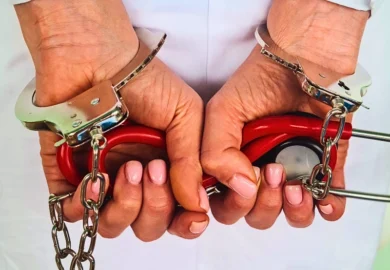
When training falls short, the consequences can affect nearly every aspect of patient care. Staff members may struggle to operate equipment correctly, recognize warning signs of a medical emergency, follow safety protocols, or communicate important information. These breakdowns can increase the risk of preventable mistakes and place patients in harm's way.
Medical Malpractice
Modern hospitals rely on technology to monitor patients around the clock. Heart monitors, ventilators, infusion pumps, oxygen monitors, and other devices generate alarms designed to alert healthcare providers when a patient may need attention. While these systems play a critical role in patient safety, they can also create an unintended problem known as alarm fatigue.
When missed test results go unnoticed or are not properly followed up on, patients can experience delays in diagnosis and treatment. In some cases, these delays allow a condition to progress to a more advanced stage, making treatment more difficult and reducing the likelihood of a positive outcome.
Did You Know?
- If you are injured at work you may be able to recover compensation through a workers’ compensation claim as well as by filing a personal injury claim against responsible third parties.
- A signed liability waiver may not be enough to bar your personal injury claim if willful acts or negligence caused your injuries.
- Some SSDI claims qualify for expedited processing, allowing claimants to obtain approval in a matter of days or weeks.
Being discharged from a hospital is supposed to signal that you are stable enough to continue recovery at home. However, when you are discharged too early from the hospital, that decision can lead to serious complications, delayed treatment, or even readmission. In some cases, early discharge is not just a medical judgment call, it may be a form of negligence.
Understanding the difference between an unavoidable complication and negligence can be difficult. Patients are often left wondering whether their experience was preventable or simply part of the inherent risks of medical care.
Hospitals are expected to provide safe, timely, and effective care to every patient. However, many facilities across the country are facing staffing shortages that can affect the quality of treatment. When hospital understaffing leads to delayed care, medical errors, or overlooked symptoms, patients and families may begin to question whether those failures rise to the level of medical malpractice.

Hospital malpractice in Illinois frequently involves institutional negligence, not just errors by individual doctors or nurses. When hospital systems fail, patients are the ones who suffer the consequences.
Hospital policies vs patient safety is a critical conflict in medical care, as administrative decisions often conflict with clinical needs. Patients expect that all procedures and protocols are designed to protect them, but the reality can be different. Sometimes, hospital policies focus on maximizing efficiency or cutting costs, which can create a fertile ground for errors. When a facility prioritizes
Medical malpractice cases differ from other types of injury cases in that they are often more complex and require proof that a medical professional or facility practiced care that was substandard, comparing that care to that of other similar practitioners in the same field.
Time matters in medical care because it can prevent a treatable condition from becoming a life-threatening emergency. A delay in cancer diagnosis or treatment, for instance, can allow the cancerous cells to spread, which limits treatment options and reduces survival rates. Hospitals often lose critical time that compromises patients’ wellbeing at the registration and initial assessment desk, laboratory, operating room,
About Ankin Law:
Videos:
If You Suffered Injuries:
- In an auto accident
- By Medical Malpractice
- In a workplace accident
- In any personal injury accident
Call: (312) 600-0000
Categories: