Mass Torts & Class Actions

AI Deepfakes and Non-Consensual Sexual Images: Who May Be Held Liable?

Artificial intelligence has made it possible to create highly realistic images and videos in a matter of minutes. While that technology has legitimate uses, it has also led to a disturbing trend: the rise of AI-generated deepfakes and non-consensual sexual images. For victims of AI-generated deepfakes and non-consensual sexual images, the impact is immediate and personal. Even when the content
Did You Know?
  • If you are injured at work you may be able to recover compensation through a workers’ compensation claim as well as by filing a personal injury claim against responsible third parties.
  • A signed liability waiver may not be enough to bar your personal injury claim if willful acts or negligence caused your injuries.
  • Some SSDI claims qualify for expedited processing, allowing claimants to obtain approval in a matter of days or weeks.

What to Do If a Medical Implant Is Recalled After Your Surgery

When you undergo surgery involving a medical implant, you expect that device to improve your health, not introduce new risks. However, when a medical implant is recalled, it can leave you uncertain about your safety, your next steps, and your legal rights. Recalls can happen for many reasons, including manufacturing defects, design flaws, or newly discovered health risks that were

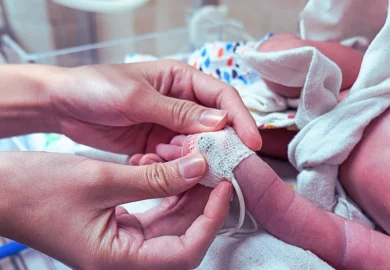
When Social Media Platforms Enable Child Grooming: Legal Options for Families

When social media platforms enable child grooming, the harm can quickly lead to emotional trauma, coercion, exploitation, or in-person abuse. Families often discover too late that a predator used private messages, disappearing content, fake profiles, or recommendation features to build access to a child over time. In these situations, parents are often left asking whether the offender is the only

When Public Health Protocols Fail: Legal Options After Legionnaires’ Disease in State-Operated Care Facilities

A confirmed case of Legionnaires’ disease at an Illinois state-operated developmental center has raised urgent questions about water safety protocols in public care facilities. When institutions fail to maintain safe water systems and vulnerable residents suffer serious illness or death as a result, Illinois law allows families to hold these facilities accountable through premises liability and wrongful death claims.