Staffing shortages and overworked nurses in healthcare facilities can increase the risk of serious injuries among patients, as patients receive less attention, and fatigue among staff can lead to more errors when providing care.
Table of Contents
If you believe overworked nurses or other hospital staff are responsible for injuries to you or a loved one, contact Ankin Law by calling 312-600-0000 to schedule a free consultation with a medical malpractice lawyer in Chicago.
When Nurses Are Overworked: How Staffing Shortages Lead to Serious Injuries
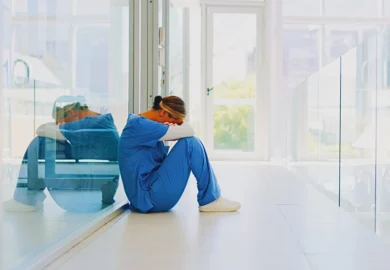
Nurses are often under a lot of pressure and do their best to provide sufficient care to patients, but when staffing shortages force them to overwork, there is an increased risk of injuries and illness.
Without ample nursing staff to take care of patients and give them the attention they need, nurses could easily miss certain issues when treating patients or, through fatigue, cause various errors that put patients at risk.
As a result of neglect, patients could then suffer serious and even life-threatening injuries due to the lack of proper care.
How Do Nurse Staffing Shortages Cause Patient Injuries?
Staffing shortages continue to be a major problem for many healthcare facilities. According to data from a recent Health Workforce Analysis under the Health Resources and Services Administration (HRSA), there is likely to be a shortage of 63,720 full-time registered nurses (RNs) in the U.S. by 2030. This shortage could be detrimental to the well-being of patients across the country.
There are issues that can arise with overworked nurses and patient safety compromises, such as:
Medication Errors
Although doctors often prescribe medications to patients, nursing staff is often responsible for giving this medication to patients. If nurses aren’t giving patients the proper attention or experience distractions, they could make certain medication errors, such as giving patients the wrong medication or the incorrect dose.
Increased Infection Rates
Another issue that can come from overworked nurses and staff shortages is a higher risk of infections among patients. Without adequate care, patients could develop ulcers, tract infections, and other possibly life-threatening infections like sepsis. Subsequently, nursing shortages could also render staff incapable of properly treating these infections when they develop.
Failure to Rescue
If a patient is in critical status, he or she will need immediate intervention. For example, if a patient reaches Code Blue status, such as respiratory or cardiac arrest, that patient is at serious risk of dying without emergency resuscitation. If physicians and specialists are unavailable to attend to patients, and nurses are understaffed, intervention may not occur in time.
Worsened Medical Conditions
When nurses are unable to provide proper care, patients’ existing conditions could get worse over time. In the end, patients may even leave a hospital or another facility in worse shape than when they entered, putting them at even greater risk of complications and aggravated conditions.
Inadequate Experience and Supervision
Understaffing often leads to healthcare facilities relying on less experienced junior-level nurses. Medical professionals may lack the experience needed to provide adequate care to patients. At the same time, they may also lack supervision to correct mistakes or otherwise help them perform key tasks.
What Is Behind Recent Nurse Staffing Shortages?
There are multiple factors contributing to recent staffing shortages, including:
- Insufficient nursing school enrollment, with recent decreases in master’s and Ph.D. nursing programs
- A lack of nursing school faculty making it harder to accept nursing students into various programs; a recent report from the American Association of Colleges of Nursing (AACN) found that U.S. nursing schools rejected 65,766 qualified applications from graduate and baccalaureate programs
- A growing number of nurse practitioners are reaching retirement age, with reports projecting the retirement of over one million RNs by 2030
- More nurses are required to provide care for aging populations across the U.S.
Additionally, the lack of adequate staffing is providing a more stressful environment for many nurses, leading to significantly lower job satisfaction and resulting resignations.
Who Is Liable When Overworked Nurses Cause Serious Harm?
Depending on the circumstances, one or more parties could be responsible for failing to meet the standard of care expected from healthcare professionals. These parties include:
Nurses
If nurses exhibit negligence or even malicious intent to cause injury or illness to patients, they could be primarily liable for health issues arising from substandard care.
Healthcare Facilities
Hospitals, doctors’ offices, and other medical care facilities must do what they can to maintain adequate levels of staff and hire qualified nurse practitioners. Failure to properly staff facilities or screen hires could make facility management and owners liable for patient injuries and illnesses resulting from negligence.
Supervisors and Doctors
Managers or doctors responsible for overseeing nursing staff could also be legally responsible for injuries and illnesses.
When to Hire a Medical Malpractice Lawyer in Chicago
If a nurse or another party was liable for injuries or illnesses developing from overworked or understaffed nurses, you may be able to build a case.
However, if you want to sue a nurse for malpractice or hold another party liable, it can be particularly difficult to do so in these cases. You will need to be able to show that the party failed to provide sufficient care by proving that other practitioners in the same position would have met that standard.
As a result, you will need to collect ample evidence and build a strong case in your favor, which is where an experienced medical malpractice attorney could help.
The right lawyer can assess your case and help determine if you have a medical malpractice case worth pursuing to recover total compensation. Your attorney could then work to obtain medical records, nursing staff history, and other critical evidence to bolster your case. He or she can also negotiate with insurance companies and opposing attorneys to recover a favorable settlement based on all related damages, from medical expenses to pain and suffering.
Ankin Law is here to provide you with the representation you need when holding negligent nurses or others accountable for their actions. To discuss a claim or lawsuit, contact Ankin Law today to speak with one of our attorneys in a free consultation.
FAQs
How do staffing shortages increase the risk of patient injuries?
Nurse staffing shortages can lead to more injuries among patients for a number of reasons. For example, short-staffed facilities will need to balance fewer nurses with more patients, which can lead to inattentive care and an increased risk of errors. Fatigued staff in these situations are also more likely to make errors and miss critical patient signs.
Can a hospital be held liable for injuries caused by overworked nurses?
A hospital or another medical facility could be liable for overworking nurses. For instance, a facility might have negligent staffing policies, fail to ensure that nursing staff and other employees receive breaks as needed, or force employees to work longer hours to the point of fatigue.
When should I contact a medical malpractice attorney?
If nursing staff or a healthcare facility is responsible for injuries or illness through medical malpractice in the form of overworked staff or another cause, it’s important to consult a medical malpractice attorney to discuss a case and increase your chances of successfully proving liability.