When exploitation, grooming, and harmful content slip through the cracks on platforms like Roblox, families are left asking a hard question: what went wrong, and who is legally responsible?
Table of Contents
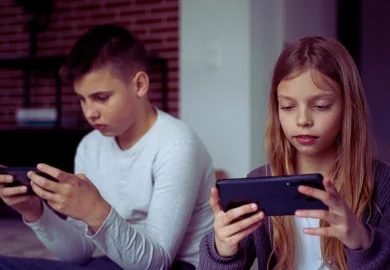
Roblox has built its brand on one core promise to parents: safety. With millions of children using the platform every day, Roblox publicly promotes its moderation systems, trust and safety teams, and commitment to protecting young users. However, documented incidents, lawsuits, and firsthand accounts tell a different story.
From a legal standpoint, Roblox’s content moderation failures raise issues that look very familiar to our lawyers who handle personal injury and negligent security cases. When a company controls a digital space, invites the public in, and profits from engagement, it takes on responsibilities. When those responsibilities are ignored or handled carelessly, liability can follow.
Roblox’s Public Safety Promises
Roblox markets itself as a platform built with children in mind. It advertises robust content moderation, advanced chat filters, and large trust and safety teams tasked with monitoring activity. Parents are told that inappropriate content is removed quickly, predators are banned, and dangerous behavior is addressed.
These assurances matter. In legal terms, they help establish expectations. When a company publicly claims that it actively monitors risks and protects users, especially minors, it can create a duty to act reasonably and consistently with those claims.
The problem arises when the reality on the platform does not match the promise.
Documented Failures in Roblox Content Moderation
Despite its public messaging, Roblox has faced repeated criticism for moderation failures that allow harmful behavior to continue unchecked.
Slow and Reactive Moderation
One of the most common complaints involves delayed responses. Parents and users report submitting complaints about grooming, explicit behavior, or exploitative content, only to see little or no action taken for days or weeks. In some cases, harmful accounts remain active long after being reported.
In physical-world terms, this is similar to a property owner ignoring repeated reports of dangerous activity in a parking garage or apartment complex.
Community-Generated Exploitative Content
Roblox relies heavily on user-generated content. While this model fuels creativity, it also opens the door to exploitative games, roleplay environments, and social spaces designed to push boundaries.
Some games are created specifically to encourage inappropriate interactions, simulate adult scenarios, or isolate young users. When these environments remain accessible to children, questions arise about how thoroughly Roblox reviews and monitors the content it allows to remain live.
Predators Evading Chat Filters
Roblox’s chat filters are often cited as a safety feature. In practice, predators routinely bypass them using coded language, symbols, emojis, or intentional misspellings. Grooming rarely involves explicit language at the outset, making automated detection even more difficult.
This creates a system where moderation reacts only after harm becomes obvious, rather than preventing foreseeable risks.
Private Servers and Voice Chat Loopholes
Private servers and voice chat introduce additional risks. These features reduce visibility, limit reporting, and make real-time monitoring difficult. Predators often move interactions into these spaces specifically to avoid detection.
Allowing children into semi-private or private digital environments without effective safeguards raises serious questions about platform design and oversight.
What Constitutes Negligent Moderation?
Not every failure equals negligence. From a legal perspective, negligent moderation occurs when a platform fails to take reasonable steps to address known or foreseeable risks.
Factors that may support a negligence claim include:
- A history of similar incidents showing a pattern of harm
- Prior reports or warnings that were ignored or delayed
- Safety tools that are understaffed, underfunded, or ineffective
- Design choices that prioritize engagement over child safety
- Public safety promises that are not reflected in actual practices
This analysis mirrors negligent security law. A property owner is not responsible for every crime, but they may be liable if they knew about dangers and failed to take reasonable precautions.
Platform Liability vs. User Responsibility
One of the most misunderstood aspects of these cases is where responsibility falls.
Predators are always responsible for their actions. They commit the abuse. They violate the law. Civil and criminal claims against individual offenders are often the most direct path to accountability.
However, platform responsibility is a separate question. A platform may be held liable not for what a predator did, but for what the platform failed to do.
Federal law, including Section 230 of the Communications Decency Act, often shields platforms from liability for user-generated content. But that protection is not unlimited. It does not excuse a company’s own negligence, misleading safety representations, or reckless disregard for known risks.
Courts increasingly look at whether claims are based on content itself or on the platform’s conduct, design, and moderation failures.
How These Cases Resemble Negligent Security Claims
In traditional negligent security cases, businesses are held accountable when they fail to protect patrons from foreseeable harm. A mall that ignores repeated assaults, a hotel that fails to repair broken locks, or an apartment complex that cuts security despite known crime risks may all face liability.
Roblox operates a digital property. It controls access, sets rules, designs environments, and profits from traffic. When known risks are ignored and harm follows, the legal logic begins to look very similar.
The question becomes whether Roblox acted reasonably under the circumstances, not whether it could stop every bad actor.
How Attorneys Investigate Platform Failures
Cases involving platform accountability require deep investigation. Roblox sex abuse attorneys do not rely on assumptions or headlines. They rely on evidence.
Investigations often focus on:
- Internal moderation policies and enforcement practices
- Records of user reports and response times
- Data showing repeated complaints or patterns of abuse
- Platform design choices that reduce oversight or increase risk
- Communications and marketing claims about safety
Digital evidence is critical. Chat logs, server records, timestamps, and account histories help reconstruct what happened and what the platform knew.
Early preservation of evidence can make or break these cases.
When Liability Becomes a Real Question
A platform may face legal exposure when evidence shows that harm was not just possible, but predictable. When risks are known, warnings are ignored, and safety measures fall short, liability becomes a serious legal issue.
These cases are not about punishing innovation. They are about accountability when companies invite children into spaces they control and fail to protect them.
Why This Matters Beyond Roblox
Roblox is not the only platform facing scrutiny. These cases have broader implications for online safety, digital product design, and corporate responsibility. As courts confront these issues, the outcomes will shape how platforms balance growth with safety.
For families, the goal is not abstract legal theory. It is protection, accountability, and preventing future harm.
Roblox’s content moderation failures highlight a growing legal question: how much responsibility do platforms have when children are harmed in spaces they control?
Just as property owners cannot ignore known dangers, digital platforms may not be able to hide behind promises while allowing foreseeable risks to continue. When moderation systems fail, when warnings are ignored, and when children are harmed, accountability matters.
Families deserve answers. And when platforms fail to provide them, the legal system may be the only place left to look. If your child was harmed, call Ankin Law now. 312-600-0000. Consultations are free.