Normal, IL (August 16, 2026) – Five people were injured Friday afternoon in a single-vehicle crash involving pedestrians in Uptown Normal, according to the Normal Police Department.
Table of Contents
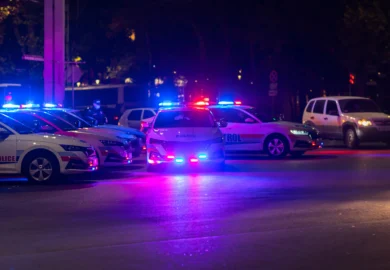
Officers responded to the reported collision at approximately 3:15 p.m. on August 14. Police joined members of the Normal Fire Department at the scene to assist the people involved and provide emergency aid.
Authorities confirmed that pedestrians were among the five people injured. Some of those injured were transported to a hospital for treatment, though police did not specify how many required transportation. Their conditions were not available in the initial report.
The crash prompted officials to close the Uptown Normal Roundabout. Beauford Street was also closed between the roundabout and Linden Street while emergency crews and investigators remained at the scene.
Police asked motorists to avoid the area during the investigation. Authorities had not released information about what caused the vehicle to crash or provided additional details about how the pedestrians became involved.
Our thoughts are with everyone injured in this accident, and we hope for their full recovery.
If you or a loved one has been injured in a pedestrian or motor vehicle accident, contact Ankin Law at 312-600-0000 for a free consultation.
Key Takeaways
- Five people were injured in a single-vehicle crash in Uptown Normal on Friday afternoon.
- Normal police responded to the accident at approximately 3:15 p.m.
- Pedestrians were among the people injured in the collision.
- Some of the injured individuals were transported to a hospital, but their conditions were not immediately available.
- The Uptown Normal Roundabout and a section of Beauford Street were closed during the response and investigation.
- The Normal Police Department had not announced what caused the crash in the initial report.
Pedestrian Injuries in a Single-Vehicle Crash
A single-vehicle accident can injure people outside the vehicle as well as its occupants. Pedestrians have little physical protection from the force of a motor vehicle, which can increase the risk of serious injuries when a collision occurs.
The circumstances of a pedestrian collision can require investigators to examine more than the condition of the vehicle. The vehicle’s path, its final position, physical evidence on the roadway, traffic controls, nearby structures, and the locations of pedestrians may help investigators establish what occurred.
In the reported Uptown Normal crash, authorities confirmed that pedestrians were among the five people injured. Police had not provided further details about how the collision unfolded or identified the number of pedestrians involved.
Until additional information is released, conclusions about what caused the accident would be premature. The investigation may provide additional facts about the vehicle’s movements and the events immediately preceding the crash.
Why Evidence From a Busy Downtown Area May Matter
Accidents in commercial and pedestrian areas may leave several different sources of evidence. Businesses, municipal facilities, parking areas, traffic systems, and private vehicles may have cameras capable of recording activity near a crash scene.
Video can sometimes document a vehicle’s movements before an impact, the position of pedestrians, or other conditions that existed shortly before a collision. Photographs taken by witnesses may preserve additional details before emergency operations change the scene.
Physical evidence can matter as well. Investigators may document tire marks, debris, damage to the vehicle, points of impact, and the vehicle’s final location. Measurements from the scene can help investigators compare physical evidence with statements and available recordings.
Records do not remain available indefinitely in all situations. Some surveillance systems automatically overwrite recordings after a set period. Quickly identifying relevant evidence can therefore matter when an injured person later needs documentation of the collision.
Medical Follow-Up After a Pedestrian Accident
Hospital transportation is only one part of evaluating injuries after a crash. Someone who receives emergency treatment may require additional diagnostic testing, follow-up visits, rehabilitation, or care from a specialist depending on the injuries diagnosed.
Pedestrians may experience several types of impact during an accident. An initial collision with a vehicle can be followed by contact with the roadway or another surface. Medical professionals can evaluate the symptoms and determine which examinations or treatment are appropriate.
Injured people can help maintain an accurate record of their recovery by keeping discharge instructions, test results, medical bills, prescription information, and follow-up records. Documentation of work restrictions or missed employment may also matter when injuries interfere with a person’s ability to earn income.
Symptoms should be reported accurately to medical providers as treatment continues. A consistent treatment record can help show how an injury changed over time and what medical care was required.
Insurance and Compensation After a Pedestrian Injury
A pedestrian injured in a motor vehicle accident may face expenses that extend beyond the first hospital visit. Medical treatment, rehabilitation, lost income, transportation costs, and other documented losses can affect the financial impact of an injury.
Insurance questions may also arise. Identifying applicable coverage can require examining the vehicle’s insurance policy and, depending on the circumstances, other coverage available to the injured person.
A pedestrian accident lawyer can examine accident reports, medical documentation, insurance information, and other evidence when evaluating an injury claim. Legal counsel can also communicate with insurers and assess the categories of compensation supported by the available documentation.
Questions about responsibility should rest on evidence rather than assumptions about how the accident happened. In this Normal crash, authorities had not announced a cause in the information initially released.
Frequently Asked Questions
Can a pedestrian’s damaged phone, watch, or other property be included in an accident claim?
Property damaged during a pedestrian collision may be handled separately from physical injuries. Photographs of damaged items, receipts, purchase records, repair estimates, and replacement costs can help document a property loss. An injured person should consider preserving damaged items until questions about the claim have been addressed.
What records can help document time a family member spends caring for an injured person?
Keeping a dated record of assistance can provide useful information about how an injury affected life at home. Notes may identify transportation to medical appointments, help with household responsibilities, or other assistance required during recovery. Medical restrictions and provider recommendations can provide additional documentation when they relate to the help received.
What happens if an injured pedestrian has health insurance but receives accident-related medical bills?
Health insurance may pay some medical expenses according to the policy’s terms, but additional issues can arise when another party may ultimately have financial responsibility for an injury. Insurers or benefit plans may assert reimbursement rights in some situations. Medical bills, insurance statements, and explanations of benefits should therefore be retained rather than discarded after payment.
Can a pedestrian injury affect future earnings even after the person returns to work?
In some circumstances, an injury can affect earnings beyond the initial period of missed work. Medical restrictions could limit hours or job duties, while continued treatment may require time away from employment. Payroll records, employer correspondence, tax records, and medical restrictions can help document changes in earnings connected to an injury.
Why should an injured pedestrian keep copies of insurance correspondence?
Letters, emails, claim numbers, coverage notices, and other communications create a record of what an insurer requested or communicated during a claim. Keeping copies can help prevent confusion about deadlines, documents already submitted, or positions taken by an insurance company. Important conversations can also be documented with the date, the representative’s name, and a brief summary of what was discussed.
Get Help After a Pedestrian Injury Accident
A pedestrian injury can result in hospital care, follow-up treatment, time away from work, and expenses that continue after the accident scene has reopened. Questions about insurance and compensation may also arise while police are still gathering information about how the collision occurred.
Ankin Law has represented injured people and families across Illinois for decades. The firm’s trial lawyers evaluate accident evidence alongside medical and financial records to build claims that reflect the documented effects of an injury. They also handle negotiations with insurance companies and can present injury cases in court when litigation is appropriate.
Ankin Law can investigate a pedestrian accident, seek relevant records, review available insurance coverage, and pursue compensation supported by the evidence. If you or a family member was injured as a pedestrian or in another motor vehicle accident, call 312-600-0000 for a free consultation about your legal options.
Note: We use outside sources such as news reports, police reports, social media platforms, and first-hand or eyewitness accounts about accidents that happen throughout the state of Illinois. We have not verified any of the facts surrounding this particular accident. Please contact Ankin Law, LLC, if you locate any incorrect information in our post. We will correct it immediately or remove a post if requested.
Disclaimer: This post is not intended as a solicitation for business. It’s vital to understand that these posts do not offer legal advice or create an attorney-client relationship. Legal outcomes can differ based on individual circumstances. For personalized legal guidance, please reach out directly to Ankin Law, LLC. The featured image used in this post was not taken at the accident scene.