The FDA warns Ozempic, Wegovy, and other GLP-1 drugs may cause permanent vision loss. It is requiring new safety warnings on the popular weight loss and diabetes medications after finding evidence of an increased risk of a serious eye condition that can cause blindness. The November 9, 2026, announcement affects medications including Ozempic, Wegovy, Mounjaro, and Zepbound.
Table of Contents
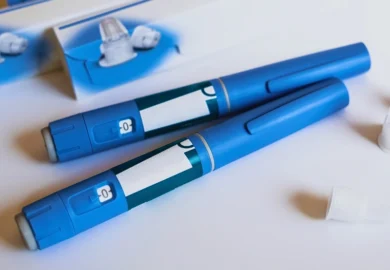
The warning concerns non-arteritic anterior ischemic optic neuropathy (NAION), a rare condition that can cause sudden, painless vision loss. For patients who developed NAION while using these medications, the FDA’s decision raises important questions about drug safety, manufacturer warnings, and potential legal liability.
If you suffered sudden vision loss or were diagnosed with NAION after taking a GLP-1 medication, Ankin Law wants to hear from you. Our attorneys can investigate your injury, review the evidence, and determine whether you have grounds for a pharmaceutical injury lawsuit. Call 312-600-0000 for a free consultation.
Key Takeaways
- On November 9, 2026, the FDA announced that manufacturers of GLP-1 medications must add warnings about a potential increased risk of NAION.
- Affected medications include Ozempic, Wegovy, Mounjaro, Zepbound, Rybelsus, and other GLP-1 receptor agonists.
- NAION can cause sudden vision loss in one eye, and the damage may be permanent.
- The FDA found a higher incidence of NAION among GLP-1 users in its analysis of clinical trial data, although the condition remains rare.
- Patients who developed NAION after using GLP-1 medications may have grounds for legal action depending on the medical evidence and circumstances of their injuries.
FDA Orders New Blindness Risk Warnings on GLP-1 Medications
On November 9, 2026, the U.S. Food and Drug Administration announced that manufacturers of all GLP-1 receptor agonist medications must update their drug labels to warn about an increased risk of NAION.
The FDA’s action follows growing concerns about vision loss among patients taking medications widely prescribed for weight management and type 2 diabetes. The agency reviewed clinical trials, adverse-event reports, observational studies, and other research before deciding that stronger warnings were necessary.
According to the FDA’s November 2026 Drug Safety Communication, NAION cases have been reported among patients using all currently marketed GLP-1 receptor agonists.
The agency is requiring manufacturers to add information about the risk to the Warnings and Precautions section of their prescribing labels.
Which GLP-1 Medications Are Affected?
The new FDA labeling requirements cover medications including:
- Ozempic (semaglutide): Used to treat type 2 diabetes and for certain additional approved indications.
- Wegovy (semaglutide): Prescribed for chronic weight management and other approved uses.
- Mounjaro (tirzepatide): Used to treat type 2 diabetes.
- Zepbound (tirzepatide): Prescribed for chronic weight management and certain patients with obstructive sleep apnea.
- Rybelsus (semaglutide): An oral GLP-1 medication primarily used for type 2 diabetes.
- Trulicity (dulaglutide): Used to treat type 2 diabetes and reduce certain cardiovascular risks.
- Victoza and Saxenda (liraglutide): GLP-1 medications prescribed for diabetes and weight management, respectively.
The warning is not limited to injectable weight loss medications. It also applies to GLP-1 drugs prescribed for diabetes and certain other medical conditions.
What Did the FDA Find About GLP-1 Medications and Vision Loss?
The FDA’s decision was based on an extensive review of available safety data, including an analysis of 126 randomized controlled clinical trials involving more than 134,000 patients.
The agency found that NAION occurred at a rate of approximately 6.4 cases per 100,000 person-years among GLP-1 users, compared with 3.8 cases per 100,000 person-years among patients receiving placebo or other glucose-lowering medications.
The FDA also reviewed real-world patient data and published observational studies. Some comparisons showed an increased risk among GLP-1 users, while others did not establish a statistically significant difference.
Because NAION is rare and patients taking these medications may have other risk factors for the condition, determining the precise relationship between GLP-1 drugs and vision loss is complicated. Nevertheless, the agency concluded that the evidence supports an increased risk significant enough to require additional warnings.
Why Is the FDA Warning Important?
The FDA’s decision is important because it moves the concern about GLP-1-related vision loss beyond isolated reports and individual studies.
Federal regulators have now determined that patients and healthcare providers should receive additional information about the risk.
For individuals who developed NAION before the new warning was announced, that raises questions about what safety information was available when they began treatment and whether manufacturers provided adequate warnings.
Those questions could become central issues in pharmaceutical injury litigation.
What Is NAION, and How Does It Affect Vision?
Non-arteritic anterior ischemic optic neuropathy occurs when blood flow to the front portion of the optic nerve is reduced.
The optic nerve transmits visual information from the eye to the brain. When its blood supply is disrupted, the resulting damage can cause sudden vision loss.
Unlike many other serious medical conditions, NAION often develops without pain. A person may go to sleep with normal vision and wake up unable to see clearly through one eye.
Symptoms may include:
- Sudden, painless vision loss in one eye
- Blurred or hazy vision
- Blind spots or missing areas of vision
- Reduced peripheral vision or tunnel vision
- Changes in color perception
- Loss of central visual sharpness
NAION can cause permanent damage to the optic nerve. There is currently no established treatment that reliably restores vision lost to the condition.
Patients who experience NAION in one eye may also face an increased risk of developing the condition in the other eye.
Sudden vision loss is a medical emergency. Anyone experiencing these symptoms should seek immediate medical evaluation rather than assume the changes will improve on their own.
Who May Be at Greater Risk of Developing NAION?
NAION has several recognized risk factors, many of which overlap with conditions commonly treated in patients using GLP-1 medications. These include diabetes, high blood pressure, sleep apnea, smoking, kidney disease, and anemia. The presence of these conditions does not necessarily mean a GLP-1 medication caused a patient’s vision loss. However, it also does not automatically rule out a potential connection.
This distinction matters in pharmaceutical injury cases.
Manufacturers and their insurers may argue that a patient’s preexisting medical conditions, rather than the medication, caused the injury. Establishing whether a drug contributed to an individual case may require a detailed review of medical records, prescription history, ophthalmology findings, and scientific evidence.
Can You File a Lawsuit for Vision Loss After Taking Ozempic or Wegovy?
Patients who developed NAION or suffered permanent vision loss after taking a GLP-1 medication may have grounds to pursue a pharmaceutical injury lawsuit. A diagnosis alone does not establish that a manufacturer is legally responsible.
A vision loss claim may depend on several factors, including the medication involved, when the patient used it, the timing of the injury, the available medical evidence, and what warnings were provided at the time.
Drug manufacturers have legal responsibilities concerning the safety information and warnings associated with their products. When serious risks become known or reasonably knowable, questions may arise about whether manufacturers fulfilled those responsibilities.
What Could Make a GLP-1 Vision Loss Claim Actionable?
An investigation into a potential GLP-1 injury lawsuit may examine:
Manufacturer knowledge of the risk: When did the company become aware of reports or evidence suggesting an association between its medication and NAION?
Adequacy of drug warnings: Did the manufacturer provide healthcare professionals and patients with appropriate information about the potential danger?
Timing of the injury: Did the patient develop NAION before or after the FDA’s November 2026 warning, and what information was available at that time?
Medical causation: Is there sufficient evidence to connect the patient’s vision loss to the medication rather than another medical condition or cause?
Extent of the damages: Has the injury resulted in permanent impairment, medical expenses, lost income, or other compensable losses?
The FDA warning does not automatically establish manufacturer negligence or prove that a particular medication caused an individual patient’s injury. However, it provides important regulatory evidence that attorneys can consider when investigating potential claims.
What Compensation Could Be Available in a GLP-1 Vision Loss Lawsuit?
Permanent vision loss can affect nearly every aspect of a person’s life.
A patient who previously worked, drove independently, or managed everyday activities without assistance may face substantial changes after developing NAION.
Depending on the facts and applicable law, compensation in a successful pharmaceutical injury claim may include:
- Medical expenses: Costs associated with emergency treatment, ophthalmology appointments, diagnostic testing, and ongoing medical care.
- Lost wages: Income lost because the injury prevented the patient from working.
- Reduced earning capacity: Financial losses associated with permanent vision impairment that limits future employment opportunities.
- Pain and suffering: Physical discomfort and emotional distress associated with the injury.
- Loss of normal life: The impact of permanent vision damage on independence, recreation, and everyday activities.
- Future care needs: Costs associated with vision rehabilitation, assistive technology, and other necessary accommodations.
The compensation available depends on the circumstances of the case, the injuries involved, and the applicable legal standards.
What Should You Do if You Experienced Vision Loss After Taking a GLP-1 Drug?
If you developed unexpected vision problems while using Ozempic, Wegovy, Mounjaro, Zepbound, or another GLP-1 medication, there are several steps you can take to protect your health and preserve information that may become important in a legal claim.
Seek Immediate Medical Attention
Sudden vision loss requires urgent evaluation. An ophthalmologist can assess the condition, determine whether NAION or another medical problem is involved, and recommend appropriate care.
Discuss Your Medication With Your Doctor
Patients should not discontinue prescribed medications without medical guidance. If NAION is diagnosed, the FDA recommends discussing whether to continue GLP-1 treatment with the prescribing healthcare professional.
Preserve Your Medical and Prescription Records
Keep records identifying the medication, dosage, prescribing physician, pharmacy, and dates of use.
Medical records documenting the onset of symptoms, diagnostic testing, and ophthalmology findings may be particularly important.
Document How Vision Loss Has Affected Your Life
Permanent vision impairment can create challenges that extend well beyond medical appointments.
Documenting missed work, changes in employment, transportation expenses, and limitations on daily activities can help establish the full impact of an injury.
Speak With a Pharmaceutical Injury Lawyer
An attorney can investigate whether the facts of your case support a product liability or failure-to-warn claim.
Preserving evidence early can be important, particularly when questions arise about when symptoms developed, which medication was prescribed, and what warnings were available.
Frequently Asked Questions About GLP-1 Medications and Vision Loss
Does Ozempic Cause Blindness?
The FDA has identified a potential increased risk of NAION associated with GLP-1 medications, including Ozempic. NAION can cause permanent vision loss. However, the FDA’s warning does not establish that Ozempic causes every reported case of NAION or blindness.
Can Wegovy Cause Permanent Vision Loss?
Wegovy is among the GLP-1 medications that may cause vision loss, according to the FDA’s November 2026 safety warning. Patients using Wegovy may face a potential increased risk of NAION, a rare condition that can cause permanent damage to the optic nerve.
Does the FDA Warning Apply to Mounjaro and Zepbound?
Yes. The FDA’s labeling requirements also apply to Mounjaro and Zepbound, which contain tirzepatide. The agency determined that warnings about the potential increased risk of NAION should apply across the GLP-1 receptor agonist class.
Do I Need a NAION Diagnosis to File a GLP-1 Vision Loss Lawsuit?
A documented NAION diagnosis may be particularly important when investigating claims connected to the FDA’s warning. However, an attorney can review the medical evidence to determine whether a patient’s specific injury may support a legal claim.
Is There a Deadline to File a GLP-1 Injury Lawsuit?
Yes. Pharmaceutical injury lawsuits are subject to filing deadlines that depend on the applicable law and circumstances of the claim. Patients should seek legal advice promptly rather than assume they have unlimited time to take action.
Ankin Law Is Investigating GLP-1 Vision Loss Claims
When a medication is associated with a serious injury, patients deserve to know whether they received adequate warnings and whether the manufacturer should be held accountable.
The FDA’s November 2026 announcement raises new questions about GLP-1 drug safety, particularly for patients who suffered permanent vision loss before the warning was issued.
At Ankin Law, we investigate serious injuries associated with dangerous drugs and defective products. Our attorneys review medical evidence, investigate manufacturer conduct, and pursue compensation when the facts support a legal claim.
If you or a loved one developed NAION or experienced permanent vision loss after taking Ozempic, Wegovy, Mounjaro, Zepbound, or another GLP-1 medication, contact Ankin Law. Call 312-600-0000 for a free consultation.