Fox Lake, IL (September 9, 2026) – A 27-year-old McHenry man suffered critical, life-threatening injuries Monday evening when his motorcycle collided with an SUV at Route 12 and Grand Avenue in Fox Lake. The Fox Lake Police Department and Fox Lake Fire Protection District responded to the intersection at approximately 8:34 p.m.
Table of Contents
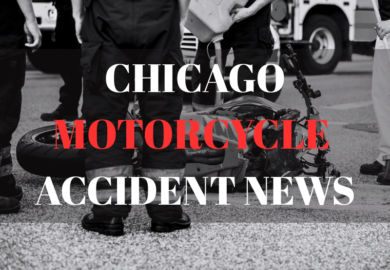
A preliminary investigation found that the Kawasaki was traveling north on Route 12 while a 72-year-old Round Lake woman drove the Hyundai south. Police said the Hyundai driver attempted to turn left onto Grand Avenue and turned in front of the motorcycle as it traveled through the intersection. The motorcycle struck the SUV, throwing the rider from his bike.
Before paramedics arrived, a good Samaritan helped officers provide first aid to the motorcyclist. Emergency personnel later transported him by ambulance to an area hospital with life-threatening injuries.
The Hyundai driver was not injured and was cooperating with investigators. The Lake County Major Crash Assistance Team responded to assist with crash reconstruction.
Authorities completely closed Route 12 and Grand Avenue during the investigation. The intersection reopened at approximately 11:35 p.m. after investigators completed their work at the scene and the vehicles were towed. Police had not announced citations or charges against either driver when the report was published, and the Fox Lake Police Department continues to investigate.
Our thoughts are with the injured motorcyclist and his family as he receives care for his injuries.
If you or a family member was seriously injured in a motorcycle collision, call Ankin Law at 312-600-0000 for a free consultation about your legal options.
Key Takeaways
- A 27-year-old McHenry man suffered critical, life-threatening injuries in the Fox Lake crash.
- The collision happened around 8:34 p.m. Monday at Route 12 and Grand Avenue.
- Police said the Kawasaki motorcycle was traveling north while the Hyundai SUV was traveling south.
- The preliminary investigation found that the Hyundai turned left onto Grand Avenue in front of the motorcycle.
- The impact threw the motorcyclist from his bike, and an ambulance transported him to an area hospital.
- The Fox Lake Police Department continues to investigate, and no citations or charges had been announced.
Left-Turn Motorcycle Crashes Require a Close Look at the Intersection
A left-turn collision can happen quickly when a vehicle crosses the path of oncoming traffic. Determining what happened may require more than identifying the direction each vehicle was traveling.
Investigators can examine the location of impact, vehicle damage, debris, roadway markings, traffic controls, and final resting positions. Measurements taken during crash reconstruction may help place those details within the intersection.
Visibility can also become an important question. Buildings, signs, other vehicles, roadway design, and lighting may affect what each driver could see. Those conditions should be documented rather than assumed.
A motorcycle accident lawyer can evaluate these different sources of evidence when determining how a turning collision occurred and which facts may matter to an injury claim.
Ejection Can Make the Injury Investigation More Detailed
Police reported that the motorcycle rider was thrown from the Kawasaki after it struck the Hyundai. When a rider is separated from a motorcycle, investigators may need to examine more than the initial point where the two vehicles collided.
The location where the motorcycle stopped, where the rider landed, and any contact with the roadway or other objects can help document the sequence after impact. Motorcycle damage and marks on the pavement may provide additional information.
Medical documentation serves a different role. Ambulance records, emergency department records, diagnostic testing, specialist evaluations, and later treatment can establish the nature of the injuries and how care develops over time.
Life-threatening injuries can also create medical and financial issues that extend well beyond emergency treatment. When injuries result in lasting impairment or substantial continuing care, issues commonly associated with a catastrophic injury claim may require careful evaluation.
Crash Reconstruction Can Preserve Details Before an Intersection Reopens
The Lake County Major Crash Assistance Team responded to the Fox Lake collision, and the intersection remained closed for approximately three hours. Police reported that crash reconstruction was completed before Route 12 and Grand Avenue reopened.
A reconstruction investigation can preserve information that may disappear once normal traffic returns. Vehicle positions change when tow trucks arrive, debris is cleared, and traffic resumes over roadway marks.
Measurements, photographs, diagrams, vehicle inspections, and other records created while the intersection is secured may therefore become important later. Available video from nearby properties or vehicles can add another source of information if footage exists.
The investigation remains open. No citation or charge had been announced when the source report was published, so conclusions about legal responsibility should wait until the available evidence is reviewed.
Serious Motorcycle Injuries Can Affect More Than Immediate Medical Care
Critical injuries can lead to a long period of uncertainty. Emergency treatment may be followed by surgery, rehabilitation, specialist care, medical equipment, or restrictions on work and daily activities.
Records created during each stage can help show how recovery develops. Medical instructions, appointment records, employment documents, receipts, and written restrictions may become important when evaluating the full effects of an injury.
Families may also take on new responsibilities while someone remains hospitalized or unable to manage ordinary tasks. Keeping an accurate record of expenses and changes in daily needs can help prevent important information from being lost during a difficult period.
The long-term effects should be evaluated using medical evidence rather than assumptions made immediately after the crash.
Frequently Asked Questions
What Happens if a Motorcycle Is Financed and Cannot Be Repaired?
A loan does not automatically disappear because a motorcycle is declared a total loss. The property-damage insurer may determine the motorcycle’s value, while the owner may still have obligations under the financing agreement. Loan documents and any gap coverage should be reviewed before assuming how the remaining balance will be handled.
Can Someone Help With Insurance Calls While an Injured Rider Is Hospitalized?
Family members can help organize letters, claim numbers, bills, and contact information, but an insurer may require authorization before discussing a claim with someone other than the policyholder. An attorney can also communicate with insurers after representation begins.
Why Should Motorcycle Maintenance Records Be Preserved?
Maintenance and service records can document the motorcycle’s condition before a collision. If questions later arise about brakes, tires, lighting, repairs, or mechanical condition, dated service records may help establish what work had been performed before the crash.
Should a Motorcyclist Keep Receipts for Transportation During Recovery?
Yes. Transportation expenses can increase when injuries prevent someone from driving or riding. Keep receipts for rideshare services, taxis, public transportation, parking, or other travel needed for medical appointments. These records can help document expenses connected to treatment and recovery.
Can Missed Work Opportunities Matter if a Motorcyclist Is Self-Employed?
Yes. A self-employed rider may need different records to document income lost because of crash-related injuries. Tax returns, invoices, contracts, appointment calendars, payment records, and canceled work may help establish what the rider was earning and which jobs could not be completed during recovery.
Build the Record Before the Details Are Lost
A serious motorcycle crash can leave several separate stories to reconstruct: what happened in the intersection, how the rider was thrown from the bike, what the medical records show, and how the injuries change life after leaving the hospital. Ankin Law can gather those pieces, communicate with insurance companies, and determine what additional evidence may be needed before memories fade or records become harder to obtain.
Howard Ankin is a third-generation lawyer whose practice includes personal injury and motor vehicle accident litigation. His work has also earned recognition from the Trial Lawyers Board of Regents, which named him a Top Litigator in Workers’ Compensation and Personal Injury in 2017. That litigation background can matter when disputed facts must eventually be presented through witnesses, records, medical evidence, and crash reconstruction rather than resolved through an insurance negotiation.
If you or someone in your family suffered serious injuries in a motorcycle crash, call Ankin Law at 312-600-0000 for a free consultation. The firm can investigate the collision, handle negotiations with insurance companies, and take the case into the courtroom when a fair resolution cannot be reached.
Note: We use outside sources such as news reports, police reports, social media platforms, and first-hand or eyewitness accounts about accidents that happen throughout the state of Illinois. We have not verified any of the facts surrounding this particular accident. Please contact Ankin Law, LLC, if you locate any incorrect information in our post. We will correct it immediately or remove a post if requested.
Disclaimer: This post is not intended as a solicitation for business. It’s vital to understand that these posts do not offer legal advice or create an attorney-client relationship. Legal outcomes can differ based on individual circumstances. For personalized legal guidance, please reach out directly to Ankin Law, LLC. The featured image used in this post was not taken at the accident scene.