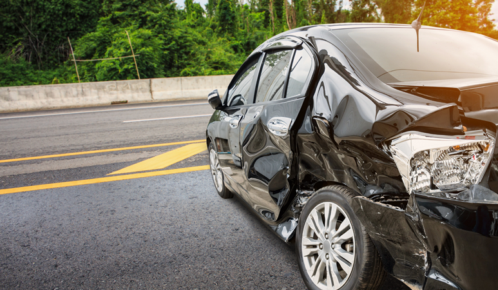
When debris falls from a truck on the highway, the results can be serious. Cargo that spills or breaks loose can strike nearby vehicles, force sudden swerves, or create dangerous roadway hazards. If you suffer injuries in this type of incident, determining who is responsible becomes an important step toward recovering compensation.
Table of Contents
Unlike a simple fender-bender, truck-related incidents often involve multiple parties, commercial insurance policies, and federal safety regulations. Understanding how liability works when debris falls from a truck can help you protect your rights and pursue the compensation you need.
If you were injured in a highway incident involving falling cargo, speaking with an experienced truck accident attorney can make a difference. Ankin Law helps victims pursue fair compensation. Call 312-600-0000 to discuss your case.
Key Takeaways
- Injuries when debris falls from a truck can occur due to improperly secured cargo, equipment failure, or driver negligence.
- Liability may extend beyond the truck driver to include trucking companies, cargo loaders, maintenance providers, or manufacturers.
- Federal cargo securement regulations require commercial trucks to safely secure loads before entering the roadway.
- Victims may pursue compensation for medical expenses, lost income, property damage, and other losses.
- Truck accident cases often involve complex investigations and may take longer to resolve than standard car accident claims.
Why Debris Falling From Trucks Is So Dangerous
Highway speeds amplify the danger of falling cargo. A loose ladder, piece of lumber, metal pipe, or construction material can instantly turn into a projectile when it falls from a truck moving at 60 or 70 miles per hour.
Drivers behind the truck often have little time to react. Even if debris do not directly strike a vehicle, sudden braking or swerving can trigger chain-reaction crashes involving multiple cars.
Large commercial vehicles also carry heavier cargo than passenger vehicles. When these materials fall onto a roadway, they may block lanes, cause rollovers, or lead to secondary collisions as drivers attempt to avoid them.
Federal Cargo Securement Rules
Commercial trucking companies must follow federal regulations designed to prevent falling cargo. The Federal Motor Carrier Safety Administration cargo securement rules require trucking companies and drivers to properly secure loads using tie-downs, straps, chains, and other safety equipment.
These regulations establish standards for:
- Weight limits and load distribution
- The number and type of tie-downs required
- Inspection procedures before and during transport
- Specialized requirements for certain materials
Drivers must inspect their cargo before starting a trip and periodically throughout the journey. Failure to follow these safety requirements can create liability if debris falls from the truck and causes injuries.
Who May Be Liable When Debris Falls From a Truck
Multiple individuals or companies may share responsibility for a debris-related truck accident, such as the drivers involved, the trucking company, cargo loading companies, and others. Determining liability is often the most complex part of cases involving injuries when debris falls from a truck. Multiple individuals or companies may share responsibility.
The Truck Driver
Truck drivers are responsible for inspecting their vehicles and cargo before driving. If a driver fails to check whether the load is properly secured or ignores visible hazards, they may be held responsible for resulting injuries.
Driver negligence may encompass:
- Skipping required inspections
- Driving aggressively with unstable cargo
- Ignoring warning signs that cargo is shifting
The Trucking Company
In many cases, the trucking company employing the driver may also be liable. Employers have a duty to properly train drivers, maintain vehicles, and ensure safety procedures are followed.
Trucking companies may share fault if they:
- Fail to enforce cargo safety rules
- Pressure drivers to skip inspections
- Provide inadequate safety equipment
Because trucking companies typically carry commercial insurance policies, they are often a primary source of compensation in truck accident claims.
Cargo Loading Companies
Many commercial shipments are loaded by third-party companies rather than the driver. If a cargo loading company fails to secure materials properly, that company may be responsible for accidents caused by falling debris.
Improper loading can cause cargo to shift during transit, making straps or restraints ineffective even when the driver performs routine inspections.
Maintenance Providers
In some cases, falling debris occurs because equipment fails. Broken tie-downs, defective trailer doors, or faulty cargo restraints may allow materials to escape. If the equipment failure resulted from poor maintenance or repair work, a maintenance contractor could share liability.
How Truck Accident Cases Differ From Typical Car Accidents
Claims involving injuries when debris falls from a truck are often more complicated than standard motor vehicle accidents. Trucking cases involve additional regulations, commercial insurance policies, and often multiple responsible parties.
For example, trucking companies must comply with federal safety standards, maintain detailed records, and follow strict inspection requirements. These records can become critical evidence when determining liability.
Legal procedures may also be different from a car accident claim because commercial trucking companies often deploy legal teams and insurance investigators immediately after a crash.
These factors make it especially important for injured victims to gather evidence quickly and consult an attorney familiar with trucking regulations. A detailed evaluation of damages in a truck accident can help determine the full value of your claim and ensure all losses are considered.
Evidence That Can Strengthen Your Claim
Successfully proving liability often depends on the quality of evidence available. Truck accident investigations may involve several types of documentation and data.
Important evidence may include:
- Truck driver inspection logs
- Cargo loading records
- Maintenance reports
- Black box or electronic logging device data
- Witness statements
- Traffic camera footage
Federal regulations require trucking companies to maintain certain records for specific periods. Acting quickly can help preserve this information before it is lost or overwritten.
Should You Accept the First Settlement Offer?
Insurance companies representing trucking companies often attempt to resolve claims quickly. In some situations, victims receive a settlement offer shortly after the accident.
While this may seem appealing during a stressful time, early settlement offers frequently undervalue the long-term costs of an injury. Medical expenses, lost income, and ongoing treatment needs may not yet be fully known.
Before accepting any offer, it is important to understand your rights and the full value of your claim. Learning more about whether to accept the initial truck accident settlement offer can help you make an informed decision.
How Long These Cases Usually Take
Truck accident claims involving falling debris often require extensive investigation. Multiple parties may dispute responsibility, and expert analysis may be necessary to determine how the cargo became unsecured.
The timeline for resolving a claim varies depending on factors such as:
- The number of liable parties
- The severity of the injuries
- The availability of evidence
- Whether the case settles or proceeds to trial
Because of these complexities, many victims want to know how long a truck accident lawsuit takes before they begin the legal process. Although some cases resolve within months, others may take longer when negotiations or litigation become necessary.
Protecting Your Rights After a Falling Debris Truck Accident
Highway accidents caused by falling cargo often leave victims dealing with medical bills, vehicle damage, and uncertainty about what to do next. Because these incidents frequently involve commercial trucking operations, determining responsibility can require careful investigation and legal knowledge.
Understanding who may be liable, how trucking regulations apply, and what compensation may be available can help you move forward with confidence after an accident.
If you or a loved one suffered injuries when debris fell from a truck on the highway, Ankin Law can help you understand your legal options and pursue compensation. Call 312-600-0000 today for a free consultation.