A parking garage car accident can raise complicated questions about fault and liability. Unlike collisions on open roads, parking garages involve tight spaces, limited visibility, and shared responsibilities between drivers and property owners. If you were injured in this type of crash, understanding how fault is determined in Illinois is essential to protecting your rights.
Table of Contents
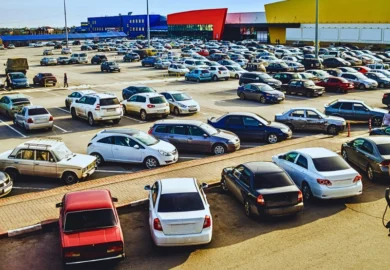
Liability is rarely straightforward in these cases. Drivers often assume low speeds mean low risk, but parking garage accidents frequently involve confusion over right-of-way, blind spots, and unpredictable movement. These factors make it harder to determine who is responsible and how damages should be handled.
Call Ankin Law at 312-600-0000 to discuss your case and understand your legal options after a parking garage car accident.
Key Takeaways
- Fault in a parking garage car accident depends on driver behavior, right-of-way, and environmental conditions.
- Illinois comparative negligence laws can reduce your compensation if you share fault.
- Property owners may be liable for unsafe garage conditions.
- Strong evidence, including video footage, is often key to proving fault.
- Legal guidance can help resolve disputes and maximize recovery.
Why Parking Garage Accidents Are More Complex Than They Seem
At first glance, a parking garage car accident may appear minor. However, these environments create hazards that complicate liability. Garages are confined spaces where vehicles, pedestrians, and structural obstacles all interact at close range. Lighting is often limited, especially in older garages. Drivers may struggle to see approaching vehicles or pedestrians. Tight turns and ramps restrict visibility further, making it difficult to anticipate oncoming traffic.
In addition, parking garages lack the consistent traffic controls found on public roads. While some garages include signage, many rely on informal driving rules. This leads to inconsistent expectations between drivers, which increases the likelihood of accidents.
Because of these conditions, fault is rarely obvious. Each case requires a detailed review of driver conduct and environmental factors.
Common Scenarios in Parking Garage Car Accidents
Parking garage crashes often follow predictable patterns. Many mirror common car accidents but occur in tighter, more constrained settings. Frequent scenarios include drivers backing out of spaces and colliding with passing vehicles. In these cases, the driver exiting the space is often expected to yield, but fault may still be shared if the passing driver was speeding or distracted.
Another common situation involves two vehicles approaching an intersection inside the garage. Without clear signage, both drivers may assume they have the right-of-way. This leads to side-impact collisions where determining fault depends on timing and positioning.
Rear-end collisions also occur, particularly on ramps or near entrances. Drivers may stop suddenly due to congestion, poor visibility, or pedestrians crossing unexpectedly. Each scenario requires a fact-specific analysis to determine liability.
Key Factors That Determine Fault
When evaluating a parking garage car accident, several factors come into play. These elements help establish whether a driver acted reasonably under the circumstances.
Speed is a critical consideration. Even though garages are low-speed environments, driving too fast for conditions can indicate negligence. A driver who fails to slow down near blind corners or intersections may be held responsible. Awareness is equally important. Drivers are expected to remain attentive and anticipate potential hazards. Distracted driving, even at low speeds, can significantly impact fault. Positioning also matters. The location of each vehicle at the time of impact can reveal who had the right-of-way and whether either driver failed to yield.
Understanding how driver negligence is determined by legal standards provides clarity in these cases. Courts look at whether a driver failed to exercise reasonable care, given the environment.
Right-of-Way Rules Still Apply
Even in the absence of traffic lights, parking garages operate under general right-of-way principles. Drivers in main lanes typically have priority over those entering from parking spaces.
When two vehicles approach an intersection, the driver who arrives first usually has the right-of-way. If arrival is simultaneous, the driver on the right is often given priority. However, these rules are not always clearly communicated. Many garages lack proper signage or markings, which creates confusion. In these cases, fault may be shared if both drivers failed to proceed cautiously.
Drivers are expected to adjust their behavior based on conditions. Proceeding aggressively in a confined space can shift liability, even if you technically had the right-of-way.
When Property Owners Share Responsibility
Fault in a parking garage car accident is not always limited to drivers. Property owners and operators have a duty to maintain safe conditions within the garage. Poor lighting is a common issue. If visibility is inadequate, drivers may not be able to see hazards in time to react. This can contribute directly to accidents.
Other hazardous conditions include:
- Missing or unclear directional signage
- Lack of mirrors at blind corners
- Malfunctioning gates or barriers
- Poorly maintained surfaces
If these factors contributed to your accident, the property owner may share liability. This can expand the scope of your claim and increase compensation.
How Comparative Negligence Affects Your Case
Illinois follows a modified comparative negligence rule. This means your compensation is reduced by your percentage of fault. If you are more than 50% responsible, you cannot recover damages.
In a parking garage car accident, shared fault is common. For example, one driver may have failed to yield, while the other was speeding. In this scenario, both parties may bear some responsibility. Understanding how fault is allocated can help you set realistic expectations for your claim. It also highlights the importance of building a strong case supported by evidence.
What If Fault Is Disputed?
Disputes are common in parking garage car accident cases. The other driver may deny responsibility or offer a conflicting version of events. In some situations, they may attempt to shift blame entirely onto you. Knowing how to respond if the other driver lies can protect your claim. Consistency in your account and strong supporting evidence are essential.
Insurance companies will evaluate all available information, including physical evidence and recorded statements. If they cannot determine fault clearly, they may assign shared responsibility. In more complex cases, litigation may be necessary to resolve the dispute.
The Importance of Evidence in Proving Fault
Evidence is often the deciding factor in parking garage accident claims. Because these incidents occur in enclosed environments, there is a higher likelihood of available documentation.
Surveillance footage is particularly valuable. Many garages are equipped with cameras that capture vehicle movement. This footage can provide an objective account of how the accident occurred. Photographs taken at the scene can also help establish key details. Images of vehicle damage, skid marks, and signage can clarify positioning and impact points. Witness statements add another layer of support.
Third-party observations can help resolve conflicting accounts between drivers. Collecting evidence as soon as possible is critical. Delays can result in lost footage or fading witness memories.
How Insurance Companies Evaluate Parking Garage Claims
After a parking garage car accident, insurance companies play a central role in determining fault and compensation. Adjusters will review all available evidence, including photos, surveillance footage, repair estimates, and statements from both drivers.
Because these accidents often involve shared fault, insurers look closely at driver behavior. They assess whether each driver acted reasonably given the confined space, limited visibility, and expected caution in a parking structure. Even small details, such as whether a driver paused before entering a lane or checked mirrors while backing out, can influence the outcome.
Insurance companies may also consider the layout and condition of the garage. If poor lighting or unclear markings contributed to the crash, this can affect how liability is divided. In some cases, insurers may attempt to limit payouts by assigning a higher percentage of fault to you.
This is why documentation is critical. Consistent statements, clear evidence, and prompt reporting can strengthen your position during the claims process. If the insurer disputes your claim or offers a low settlement, you are not required to accept it. You have the right to negotiate or pursue legal action to seek fair compensation based on the full extent of your damages.
Protecting Your Rights After a Parking Garage Car Accident
By understanding how liability works in Illinois, you can better protect your rights and pursue fair compensation. Whether fault lies with another driver, a property owner, or multiple parties, taking the right steps early can strengthen your case.
Working with an experienced car accident lawyer can make a difference. A lawyer can investigate the accident, gather evidence, and identify all responsible parties. They can also handle negotiations with insurance companies, which often attempt to minimize payouts. If necessary, they can take your case to court and advocate on your behalf. Legal guidance is especially important when liability is disputed or when multiple parties are involved.
If you were involved in a parking garage car accident in Chicago, call Ankin Law at 312-600-0000 today to discuss your case and protect your rights.