Chicago, IL (August 18, 2026) – Two people were hospitalized Tuesday, August 18, after a sedan and flatbed truck collided near Roosevelt Road and State Street in Chicago’s South Loop.
Table of Contents
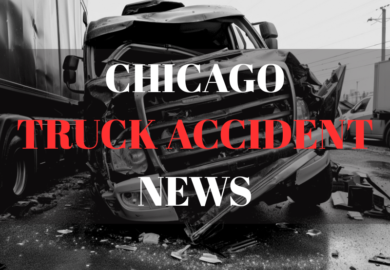
According to reports from the Chicago Police Department, a rear-end accident involving a sedan and a flatbed truck took place during the morning hours. The flatbed truck appeared to be carrying a water tank used for watering plants along the Roosevelt Road median.
Chicago Fire Department officials confirmed that emergency personnel transported two people to a hospital following the crash. One of the injured individuals was listed in critical condition. The condition of the second person was not disclosed in the initial report.
Authorities were investigating the cause of the collision. No further information about the injured individuals or the circumstances preceding the crash had been released.
Our thoughts are with both people injured in this accident, and we hope for their full recovery.
If you or a loved one has been injured in a serious car accident, contact Ankin Law at 312-600-0000 for a free consultation.
Key Takeaways
- A sedan and flatbed truck collided near Roosevelt Road and State Street in Chicago’s South Loop.
- The sedan struck the rear of the flatbed truck.
- The truck appeared to be carrying a water tank used for watering plants along the Roosevelt Road median.
- Two people were transported to a hospital following the collision.
- One of the injured individuals was reported in critical condition.
- Authorities were investigating the cause of the crash.
Why Rear-End Crashes With Trucks Can Cause Serious Injuries
Passenger cars and flatbed trucks differ in size, weight, height, and vehicle structure, which can affect how an impact occurs and how occupants are injured. Those differences may influence how forces from an impact affect the occupants of the smaller vehicle.
The height and design of a truck can also affect where contact occurs during a rear impact. Investigators examining a serious rear-end accident may document the areas of vehicle damage, final vehicle positions, roadway markings, debris, and other physical evidence.
The South Loop collision near Roosevelt Road and State Street involved a sedan and a flatbed truck that appeared to be carrying a water tank. Two people required hospital care, including one person whose injuries were described as critical.
A serious injury does not establish how a collision occurred or who was responsible. Those questions require a review of the available facts, including evidence from the roadway and vehicles.
How Investigators May Examine a Rear-End Truck Collision
Determining what occurred before an impact may require information from several sources. Investigators can examine physical evidence at the scene and compare it with statements, photographs, recordings, and vehicle information that may be available.
Damage patterns can help show where the vehicles made contact. Roadway markings and debris may provide additional information about their positions or movements. Investigators may also determine whether nearby traffic cameras, security cameras, or dashcams recorded events before or during the collision.
The flatbed truck and its equipment may require separate examination. Depending on the circumstances, investigators may document the truck’s configuration, the equipment or cargo it carried, and the condition of relevant vehicle components.
Commercial vehicle records can sometimes provide information that is not associated with an ordinary passenger car. Ownership records, maintenance documents, inspection information, and records connected to a business may become relevant depending on the type and use of the truck.
None of these records should be viewed in isolation. Investigators and attorneys can compare different sources of information to develop a more complete account of what occurred.
Medical Documentation After a Critical Injury
A critical injury may require care that continues beyond the initial emergency response. Treatment can include diagnostic imaging, surgery, hospitalization, rehabilitation, specialist appointments, medication, or other medical services depending on the diagnosis.
Medical records help document that course of care. Hospital charts, imaging results, physician notes, treatment recommendations, rehabilitation records, and bills can establish what medical services an injured person received and why.
The financial effects may continue during recovery. An injured person could miss work, return with medical restrictions, or require assistance with activities that were previously handled without help. Employment and financial records can document lost wages or changes in earnings associated with an injury.
Families can also keep copies of correspondence from medical providers and insurers. Maintaining organized records may make it easier to track bills, insurance payments, appointments, and outstanding balances during an extended recovery.
The initial description of an injury is only one piece of the medical record. Later examinations and treatment can provide additional information about the person’s diagnosis, recovery, and future care needs.
Evaluating a Claim When a Commercial Vehicle Is Involved
A crash involving a work truck can require a review of more than the drivers’ personal automobile insurance policies. Depending on the ownership and use of the truck, a business or commercial insurance carrier may have a role in addressing an injury claim.
One early question may involve identifying who owned and operated the truck. Insurance records, registration information, employment records, and business documents can help clarify those relationships.
Evidence preservation can also matter. Vehicles may be repaired, surveillance recordings may be overwritten, and business records may become harder to obtain as time passes. Preserving relevant information can allow a claim to be evaluated using documentation created near the time of the accident.
A car accident lawyer can review police and emergency records, medical documentation, insurance information, and evidence connected to the vehicles. An attorney can also determine which insurance carriers should receive notice of a claim and assess losses supported by the available records.
The investigation into the South Loop collision remained underway in the initial report. Until authorities release additional information, conclusions about the cause or responsibility would go beyond the confirmed facts.
Frequently Asked Questions
What happens if an injured person cannot handle insurance paperwork while hospitalized?
A serious injury may prevent someone from immediately addressing insurance forms, medical bills, or requests for information. A family member may be able to assist with certain administrative matters, depending on the person’s circumstances and legal authority. An attorney can also communicate with insurers regarding an injury claim after appropriate representation documents are completed.
Why should an injured person request an itemized hospital bill?
An itemized bill provides more detail than a statement showing only the total amount owed. It can identify specific services, procedures, tests, medications, and charges associated with accident treatment. Keeping both itemized bills and insurance explanations of benefits can help create a clearer record of medical expenses.
Can a family document unpaid time spent helping an injured relative?
Records of assistance can provide information about how an injury affected the injured person’s daily activities. A family may keep dated notes describing transportation to appointments, help with household tasks, or other assistance provided during recovery. Whether those circumstances support compensation depends on the facts and applicable law.
What should happen to a seriously damaged vehicle before it is repaired or disposed of?
Photographs should document the vehicle’s condition when possible, and an injured person may want to determine whether the vehicle needs to be preserved for inspection before repairs or disposal. This can matter when vehicle damage may help explain the mechanics of a collision. Insurance documents, repair estimates, towing records, and storage records should also be retained.
How can future medical costs become part of an injury claim?
When doctors anticipate continued care, medical records and professional opinions can help document expected treatment. Rehabilitation plans, recommended procedures, follow-up care, medications, and medical equipment may contribute to estimates of future expenses. Claims involving future care should rely on documented medical information rather than assumptions about what treatment someone might need.
Get Help After a Serious South Loop Car Accident
Hospitalization after a serious collision can affect far more than the first days following the crash. Treatment may continue while medical bills accumulate, work is interrupted, and insurance carriers begin requesting information about the accident and resulting injuries.
Ankin Law has represented injured people throughout Illinois for decades. Howard Ankin is a third-generation lawyer, and the firm’s attorneys bring substantial courtroom experience to motor vehicle injury cases. Their work includes examining accident evidence, documenting the financial and medical effects of injuries, negotiating with insurance carriers, and presenting cases at trial when litigation is appropriate.
Ankin Law can review the records connected to a serious car and truck collision, identify applicable insurance coverage, and pursue compensation supported by the evidence. If you or a family member suffered injuries in a Chicago traffic accident, call 312-600-0000 for a free consultation about your legal options.
Note: We use outside sources such as news reports, police reports, social media platforms, and first-hand or eyewitness accounts about accidents that happen throughout the state of Illinois. We have not verified any of the facts surrounding this particular accident. Please contact Ankin Law, LLC, if you locate any incorrect information in our post. We will correct it immediately or remove a post if requested.
Disclaimer: This post is not intended as a solicitation for business. It’s vital to understand that these posts do not offer legal advice or create an attorney-client relationship. Legal outcomes can differ based on individual circumstances. For personalized legal guidance, please reach out directly to Ankin Law, LLC. The featured image used in this post was not taken at the accident scene.