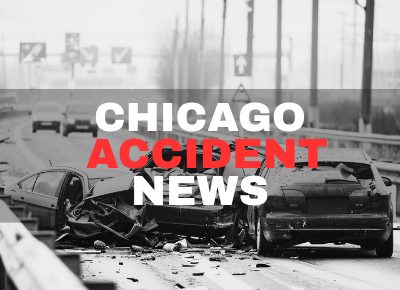
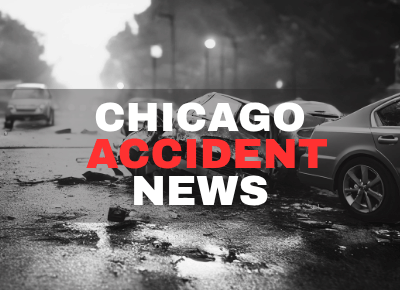
Chicago, IL (September 22, 2026) – Two people were hospitalized, including one with serious to critical injuries, after a chain-reaction crash involving two cars and a CTA bus on Monday afternoon, September 21, in Chicago’s South Shore neighborhood.
Table of Contents
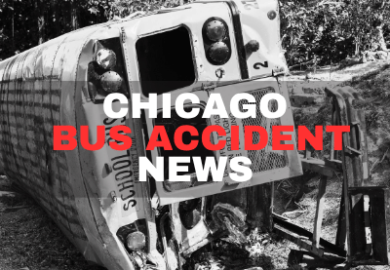
Chicago police said the crash occurred shortly after 4:00 p.m. in the 7200 block of South South Shore Drive. A 27-year-old man was driving a Kia eastbound on East 72nd Street when the vehicle struck a Chrysler traveling northbound on South South Shore Drive.
The impact sent the Chrysler into a CTA bus, according to police. Video from the scene showed two ambulances near the stopped bus and a damaged passenger vehicle.
A Chicago Fire Department spokesperson reported that one person was hospitalized in serious to critical condition. A second person was taken to a hospital in good condition. Authorities did not immediately identify either injured person or provide additional information about their injuries.
The initial report did not indicate whether anyone aboard the CTA bus was among those hospitalized. Authorities also had not released further details about the circumstances surrounding the collision.
Our thoughts are with the people injured in this crash, and we hope they make a full recovery.
People injured in Chicago chain-reaction and bus accidents can contact Ankin Law at 312-600-0000 for a free consultation.
Key Takeaways
- Two people were hospitalized following a chain-reaction crash Monday in South Shore.
- The collision occurred shortly after 4:00 p.m. in the 7200 block of South South Shore Drive.
- Police said an eastbound Kia struck a northbound Chrysler.
- The Chrysler then collided with a CTA bus.
- One person was hospitalized in serious to critical condition, while another was reported in good condition.
- Authorities did not immediately release further details about the crash.
Why the Order of Impacts Matters in a Chain-Reaction Crash
After a chain-reaction collision, investigators may need to determine more than which vehicles made contact. Establishing the order of impacts can help explain why a vehicle changed direction, entered another lane, or struck another vehicle.
In this South Shore crash, police reported that the Kia struck the Chrysler before the Chrysler collided with the CTA bus. That sequence distinguishes the crash from three vehicles independently colliding at the same location.
Investigators may compare damage patterns, vehicle positions, photographs, video, witness accounts, and other available evidence. Information from each vehicle may contribute a different part of the timeline.
The sequence can also matter when insurance companies evaluate claims. Someone injured in the final impact should not assume that only the vehicle involved in that impact is relevant. A complete investigation can examine how the entire chain of events developed before conclusions are reached.
A CTA Bus Can Add Other Sources of Evidence
When public transportation becomes part of a collision, information may exist beyond the evidence available from the passenger vehicles. Depending on the circumstances, video associated with the bus, route information, witness accounts, and other records may help investigators understand what occurred.
Some evidence may not remain available indefinitely. Identifying potentially useful recordings and records early can be important when a crash involves several vehicles and competing accounts of how the impacts occurred.
People injured in bus collisions may also encounter questions about which insurance coverage or potential claims apply to their circumstances. Those issues can depend on where the injured person was located, how the crash developed, and the findings of the investigation.
Our bus and train accident attorney can investigate the collision, identify evidence that may need to be preserved, communicate with insurers, and explain the options available to an injured passenger or motorist.
Separating Each Victim’s Losses After the Same Collision
Two people can be injured in the same accident and experience very different recoveries. In the South Shore crash, officials described one person’s condition as serious to critical while the other was reported in good condition.
Each injured person should document their own treatment and losses. Hospital records, follow-up appointments, prescriptions, rehabilitation, missed work, transportation expenses, and assistance needed during recovery can differ considerably from one person to another.
Keeping individual records can also prevent confusion when multiple insurers become involved. Medical bills and employment documents belonging to one injured person should not become mixed with another victim’s paperwork simply because both claims arise from the same crash.
A car accident lawyer can review the individual effects of a collision, determine what evidence may support a claim, and handle negotiations with insurance companies while an injured person focuses on recovery.
When Vehicle Damage Tells Only Part of the Story
Photographs of a damaged vehicle can be useful after a chain-reaction crash, but one area of damage may represent only one part of the collision.
A vehicle struck from one direction and pushed into another vehicle can have damage in several locations. Photographs showing the front, rear, sides, interior, and overall condition may therefore provide more context than close-up images of the most obvious impact point.
Repair estimates and insurer inspection reports can add information about damage that may not be visible in photographs. Towing and storage records can establish where the vehicle was taken if an inspection becomes necessary later.
If a vehicle is declared a total loss after an accident, owners should retain valuation documents and communications concerning its disposition. Preserving those records creates a clearer history of what happened to the vehicle after the crash without making assumptions about who caused the collision.
Frequently Asked Questions About Chain-Reaction and Bus Accidents
What if I cannot tell which impact caused my injury?
You do not need to determine that on your own. In a chain-reaction crash, medical records, vehicle damage, the sequence of impacts, witness information, and other evidence may help evaluate how an injury occurred. Tell medical providers what you remember about the collision and your symptoms without guessing about which impact caused a particular injury.
What if more than one driver may have contributed to the crash?
A claim does not necessarily have to be evaluated only against the vehicle that directly struck you. When several vehicles are involved, the entire sequence may need to be investigated before the roles of the drivers become clear. Preserve insurance information and communications involving each relevant vehicle rather than assuming immediately which insurer should be responsible for your losses.
Does being injured on a CTA bus change how I should handle my claim?
It can create additional issues to investigate. A bus passenger may need to document the transit vehicle and route involved, where they were located when the collision occurred, their injuries, and any information they received after the crash. Because a public transit vehicle is involved, obtaining legal guidance early can help identify which records and potential claims should be investigated.
What should I document if my injuries make everyday activities harder?
Keep a simple record of specific activities your injuries prevent or make more difficult, such as climbing stairs, driving, caring for children, preparing meals, shopping, or completing household tasks. Also retain receipts for mobility equipment, transportation, or paid assistance. Specific records can provide a clearer picture of how an injury affects daily life than a general statement that recovery has been difficult.
What if an insurance company contacts me before the crash investigation is finished?
Keep the adjuster’s name, company, claim number, and copies of any requests or correspondence. Before providing detailed statements or signing documents, understand which insurer is contacting you and what information it is requesting. A chain-reaction investigation may still be developing, so you do not need to guess about events you do not remember or facts that investigators have not yet established.
Sorting Through a Complex Chicago Bus Collision
When a crash involves several vehicles and public transportation, injured people may face questions involving medical care, vehicle damage, insurance coverage, and evidence from several sources. Ankin Law can investigate how the impacts occurred, preserve relevant records, document losses, and negotiate with insurance companies.
Howard Ankin has decades of experience handling personal injury and motor vehicle cases in Illinois. The firm has recovered hundreds of millions of dollars in settlements and verdicts for injured clients and prepares cases for courtroom litigation when negotiations do not produce an appropriate resolution.
Ankin Law offers free consultations to injured people and their families. Call 312-600-0000 to discuss a chain-reaction or CTA bus collision and the options available for moving forward.
Note: We use outside sources such as news reports, police reports, social media platforms, and first-hand or eyewitness accounts about accidents that happen throughout the state of Illinois. We have not verified any of the facts surrounding this particular accident. Please contact Ankin Law, LLC, if you locate any incorrect information in our post. We will correct it immediately or remove a post if requested.
Disclaimer: This post is not intended as a solicitation for business. It’s vital to understand that these posts do not offer legal advice or create an attorney-client relationship. Legal outcomes can differ based on individual circumstances. For personalized legal guidance, please reach out directly to Ankin Law, LLC. The featured image used in this post was not taken at the accident scene.