Howard Ankin

The Education Never Stops for Ankin Law Workers’ Comp Attorneys

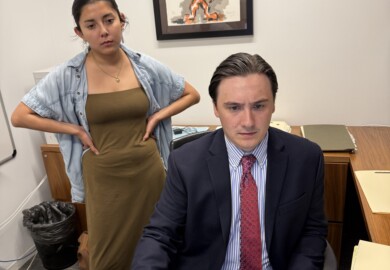
Being a lawyer is not just about relying on the experience you’ve gained but also adding to your knowledge base as times evolve.  That explains why a number of attorneys at Ankin Law took time out of their day this fall to find ways to better help clients injured when they are on the job.

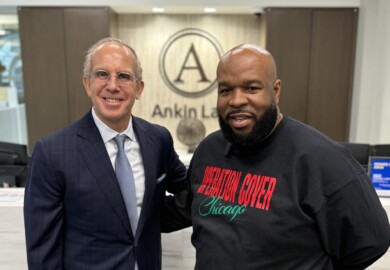
Celebrating Halloween with a Chicago legend

It’s a day full of candy where the costumes can be comical or scary, where the imagination takes over to create a fantasy world in the midst of reality. That’s what makes Halloween so special – and Attorney Howard Ankin knew the perfect person to match the spirit of the day.  In his latest commercial

What If the Other Driver Lies About a Car Accident in Chicago?

If the other driver lies about a car accident, you can protect yourself and prove the truth by collecting strong evidence and working with a motor vehicle accident lawyer. Photos, electronic records, witness accounts, and official reports can help prove you are not at fault and stop false claims before they damage your record and insurance standing.

How to Handle a Lowball Settlement After a Car Crash

You can handle a lowball settlement by first establishing why the insurer offered an unfair payout. You can do that by requesting the insurer to justify the lowball offer in writing, especially if that information is unavailable in the award letter. You can then carefully review the reasons provided by the insurer and send a demand letter with your counteroffer.

How This Chicago Attorney Has Improved to Fight Better for Clients 

Building one’s practice of law is a journey that comes with experiences and time, containing both good and bad experiences when working on cases.  It’s the best way for a lawyer to gain the skills necessary to work effectively for their clients – and a journey one person from Ankin Law found quite valuable.  Attorney

Actual vs. Constructive Notice: Did the Property Owner Know About the Hazard?

Notice in premises liability cases refers to whether the property owner or occupier had knowledge (actual notice) or should have had knowledge (constructive notice) of the dangerous condition that led to an injury. Premises liability cases often hinge on whether the defendant had actual vs. constructive notice of the hazard. Establishing that the property owner or tenant had actual or