You may be able to sue if you contracted Legionnaires’ disease because a property owner, building operator, maintenance company, or another responsible party failed to keep the building’s water system reasonably safe. Recent reports involving a Chicago federal court courthouse, where concerns about Legionella in the building’s water system have raised questions about exposure and responsibility, highlight how these claims frequently turn on notice, maintenance practice, and testing history.
Table of Contents
If you developed Legionnaires’ disease after spending time in a Chicago apartment building, hotel, hospital, workplace, government building, or other facility, a legionnaires disease lawyer can investigate your exposure, identify who may be responsible, and help you pursue compensation for your losses. To discuss your case, contact our dedicated attorneys at Ankin Law. Call (312) 600-0000 for a free case evaluation.
Key Takeaways
- You may have a Legionnaires’ disease claim if a property owner or another party failed to reasonably maintain a building’s water system and you became sick as a result.
- Prior positive Legionella tests, water-quality problems, or complaints may help show that a responsible party knew or should have known about a dangerous condition.
- Proving where you were exposed is often one of the most important, and most disputed, parts of a Legionnaires’ disease claim.
- Medical records, water-testing results, maintenance records, inspection reports, and expert analysis may help establish liability and causation.
Chicago Federal Judge Says Courthouse Water May Have Caused His Illness
A recent illness involving a Chicago federal judge shows how questions about Legionella contamination can arise when people who live or work in a building depend on those responsible for the property to keep its water system safe.
U.S. District Court Judge Robert Gettleman was away from the bench for approximately three months after becoming seriously ill. He was reportedly hospitalized and initially diagnosed with meningitis. However, a doctor later determined that his bloodwork and symptoms appeared consistent with Legionnaires’ disease and treated him with antibiotics.
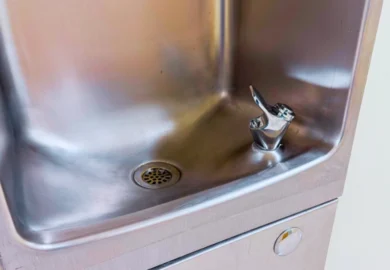
Gettleman believes his illness was connected to water at the Everett McKinley Dirksen U.S. Courthouse, where he regularly brushed his teeth using water from a bathroom. He acknowledged that he did not receive a conclusive Legionnaires’ disease diagnosis, but water from his bathroom later tested positive for Legionella.
The General Services Administration disputed a connection between Gettleman’s illness and courthouse water, saying there was no substantiating evidence establishing that the water caused his illness.
The dispute illustrates an important point for people who believe they contracted Legionnaires’ disease from contaminated water: a positive Legionella test can be significant evidence, but it does not automatically establish a personal injury claim.
You must still be able to connect your illness to the exposure and show that another party’s negligence caused or contributed to your injuries. That can require a detailed investigation into the building’s water system, prior testing, maintenance practices, and what those responsible for the property knew before you became sick.
When Can You Sue a Chicago Building for Legionnaires’ Disease?
You may have grounds to sue when a property owner or another party responsible for a building failed to take reasonable steps to prevent or address a Legionella hazard and you became sick as a result.
These cases often turn on what the responsible parties knew, what they should have known, and what they did after learning about a problem.
Who Could Be Liable for Legionella Exposure in a Chicago Building?
The building owner is not necessarily the only party who may be responsible for your illness.
Liability depends on who had responsibility for the property and its water system. Defendants may include:
- Property owners
- Commercial landlords
- Building operators
- Property management companies
- Water-system maintenance contractors
- Other companies responsible for inspecting, treating, or maintaining the water system
More than one party may share responsibility. For example, a property owner may have hired another company to maintain the water system. An investigation can determine who was responsible for testing, maintenance, repairs, warnings, and other safety measures.
Different rules may apply if your exposure occurred in a government-owned building. Claims against federal, state, or local government entities can involve special procedures, filing requirements, deadlines, or immunity issues. If you believe you were exposed in a government facility, contacting an attorney quickly can help you determine which rules apply to your claim.
What Compensation Is Available in a Legionnaires’ Disease Lawsuit?
Legionnaires’ disease can result in severe pneumonia, hospitalization, time away from work, and a lengthy recovery. Some people may continue to experience health problems even after the initial infection has been treated.
If another party’s negligence caused your illness, compensation may be available for losses such as:
- Past and future medical expenses
- Lost wages
- Loss of future earning capacity
- Pain and suffering
- Other losses caused by the illness
If Legionnaires’ disease results in death, eligible surviving family members may be able to pursue a wrongful death claim.
Talk to a Chicago Legionnaires Disease Lawyer About Your Exposure
When you become seriously ill because a building’s water system was not safely maintained, you may be left dealing with medical bills, lost income, and unanswered questions about how the exposure happened.
Ankin Law can investigate the circumstances surrounding your illness, determine who was responsible for maintaining the property and its water system, and identify evidence that may connect your diagnosis to contaminated water. If negligence caused your illness, we can help you pursue compensation from the parties responsible.
If you or a family member contracted Legionnaires’ disease and believe contaminated water in a Chicago building was responsible, call Ankin Law at (312) 600-0000 for a free case evaluation with our Legionnaires’ disease lawyers.
Frequently Asked Questions About Legionnaires’ Disease Claims
Can I Have a Legionnaires’ Disease Case if Nobody Else in the Building Got Sick?
You do not necessarily need to show that multiple people became sick at the same property. Your ability to recover compensation will depend on the evidence connecting your illness to the building and showing that negligence caused or contributed to your exposure.
Evidence that other people became sick can strengthen an investigation, but the absence of a known outbreak does not automatically prevent you from bringing an individual claim.
Can I Pursue a Claim if the Building Never Told Me Its Water Tested Positive for Legionella?
A failure to warn occupants about known contamination may become an important part of your case.
Your attorney can seek testing records, maintenance documents, inspection reports, internal communications, and other evidence to determine when the property owner or operator learned about the problem and what steps it took afterward.
Do I Need a Positive Legionella Test From the Exact Faucet or Shower I Used?
Legionnaires’ disease claims are evaluated based on the available evidence as a whole.
Testing from the building’s water system, previous contamination, your medical records, where and when you were exposed, and expert analysis may all help establish causation. A Legionnaires’ disease lawyer can evaluate the evidence and determine whether it is sufficient to connect your illness to a particular property.