Chicago, IL (May 18, 2026) – A fire broke out on Sunday, May 17, in Chicago’s South Shore neighborhood, sending two people to the hospital in serious-to-critical condition. Emergency units responded to the 6700 block of South Crandon Avenue after flames tore through an apartment building in the area.
Table of Contents
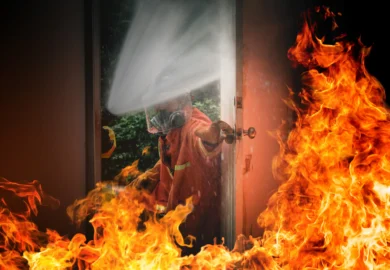
The Chicago Fire Department raised a 2-11 alarm, bringing additional equipment and manpower to the scene. Emergency crews worked to bring the fire under control as video from the scene showed multiple floors of the apartment building left charred, with debris scattered on the ground below.
During the response, a mayday was called for a firefighter reported unaccounted for. That call was later canceled. Two civilians were transported to a nearby hospital in serious-to-critical condition following the fire.
The extent of damage to the building and surrounding units was visible from the street. The investigation into the origin and circumstances of the blaze remains ongoing.
Our thoughts go out to those hurt in this fire.
Can I Recover Damages After a Chicago Residential Fire?
Yes, depending on the circumstances, those hurt in a residential fire in Chicago may have the right to seek compensation for their injuries and losses. Illinois law allows fire victims to pursue claims when negligence contributed to the outbreak or spread of the fire.
Residential fires can cause some of the most serious injuries a person can experience. Burns, smoke inhalation, and lung damage are among the most common outcomes, and their effects can last long after the fire is out. Some people also suffer injuries from falling debris, structural collapse, or smoke exposure that worsens existing health conditions.
Medical treatment for these injuries can be extensive and costly, making it important to document every visit, procedure, and prescription from the very beginning.
In Chicago, residential fire claims often hinge on identifying who was responsible for the conditions that led to the fire. Landlords have a legal duty to maintain safe living conditions under Illinois law, which includes working smoke detectors, properly maintained electrical systems, and compliance with the Chicago Building Code.
When a landlord or property manager fails to meet those standards and a fire results, they may be held liable for the harm caused to tenants and other occupants. A Chicago personal injury attorney can help determine whether negligence played a role and what evidence may support a claim.
Beyond landlord liability, other parties may also share responsibility depending on the cause of the fire. Faulty appliances, defective wiring, or improperly stored materials can all point to different sources of liability. Gathering evidence early helps build a stronger foundation for a potential claim. The longer people wait, the harder it can become to preserve key documentation.
Illinois gives fire injury victims a limited window to file a personal injury claim, generally two years from the date of the incident under the state’s statute of limitations. Missing that deadline can affect your ability to seek compensation entirely.
At Ankin Law, we have years of experience reviewing fire injury and premises liability cases throughout Chicago, including incidents in residential neighborhoods along the South Side. We can explain how Illinois law may apply to your situation and what compensation options may be available to you.
To speak with our team, call Ankin Law at (844) 600-0000 and learn what steps you may be able to take after a residential fire.
Note: We use outside sources such as news reports, police reports, social media platforms, and first-hand or eyewitness accounts about accidents that happen throughout the state of Illinois. We have not verified any of the facts surrounding this particular accident. Please contact Ankin Law, LLC, if you locate any incorrect information in our post. We will correct it immediately or remove a post if requested.
Disclaimer: This post is not intended as a solicitation for business. It’s vital to understand that these posts do not offer legal advice or create an attorney-client relationship. Legal outcomes can differ based on individual circumstances. For personalized legal guidance, please reach out directly to Ankin Law, LLC. The featured image used in this post was not taken at the accident scene.