Illinois lawmakers are taking a major step toward addressing the growing safety concerns surrounding electric bikes, scooters, and similar high-speed devices.
Table of Contents
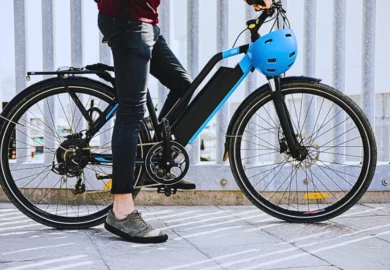
On April 15, 2026, the Illinois Senate unanimously passed a new e-bike bill aimed at regulating certain e-bikes and electric vehicles that can reach speeds well beyond traditional limits. The measure now moves to the Illinois House for consideration. For riders, drivers, and pedestrians alike, this legislation could have important implications for safety, accountability, and injury claims.
Key Takeaways
- The Illinois Senate unanimously passed a bill to regulate high-speed e-bikes, scooters, and similar electric devices
- The legislation targets devices that exceed typical speed limits, including those capable of reaching 28 mph or more
- Lawmakers aim to create clear, consistent statewide rules, replacing a patchwork of local regulations
- Proposed changes may include licensing, registration, and insurance requirements for certain high-speed devices
- The bill is intended to improve safety for riders, pedestrians, and drivers, especially in dense urban areas like Chicago
- If approved by the Illinois House, the law could reshape how these devices are classified and regulated across the state
Why Lawmakers Are Taking Action
Lawmakers say this bill is intended to create clear, consistent standards across the state.
E-bikes and electric scooters have become increasingly common across Illinois, especially in busy urban areas like Chicago. While they offer convenience, they also present new risks, particularly as some models can exceed speeds of 28 miles per hour.
Right now, many of these high-speed devices fall into a legal gray area. Different municipalities have adopted different rules, which can create confusion about where these vehicles can operate and who is responsible when something goes wrong.
“I encourage lawmakers in Springfield to pass this bill to help make our streets and sidewalks safer for everyone.”
—Howard Ankin, Founder, Ankin Law
Why The New E-Bike Bill Is Especially Important in Chicago
While this is a statewide bill, the impact will likely be most noticeable in dense urban areas like Chicago. City streets often involve a mix of:
- Pedestrians
- Cyclists
- E-bike and scooter riders
- Passenger vehicles
- Delivery drivers
When high-speed devices are introduced into already crowded environments, the risk of collisions increases. We’ve seen many incidents occur in:
- Bike lanes shared by traditional cyclists and faster e-bikes
- Sidewalks where scooters and pedestrians compete for space
- Intersections where visibility and reaction time are limited
Clear, consistent rules can help reduce these risks and create safer conditions for everyone.
How Does Illinois Law Currently Treat E-Bikes?
Under current Illinois law, most e-bikes are treated similarly to traditional bicycles, especially lower-speed models.
Generally, e-bikes are divided into three classes:
- Class 1: Pedal-assist only, up to 20 mph
- Class 2: Throttle-assisted, up to 20 mph
- Class 3: Pedal-assist, up to 28 mph
While Class 1 and Class 2 e-bikes are widely permitted in bike lanes and on roads, higher-speed Class 3 e-bikes already face more restrictions, particularly in areas with heavy pedestrian traffic.
The challenge is that newer, more powerful devices often exceed these classifications altogether, creating confusion about how they should be regulated.
The proposed legislation aims to close that gap by clearly defining when a device should be treated more like a motor vehicle rather than a bicycle.
What Would the Proposed E-Bike Law Do?
If passed by the House and signed into law, the e-bike bill would establish statewide regulations for higher-speed electric bikes and similar devices.
Key provisions may include:
- Requiring registration, insurance, and a valid driver’s license for certain high-speed e-bikes and electric motorcycles
- Setting minimum age requirements for riders
- Defining where these devices can legally operate
- Creating consistent rules across Illinois, replacing the current patchwork of local laws
By clarifying how these vehicles are classified and regulated, the state aims to reduce confusion and improve safety for everyone on the road and sidewalk.
Why the 28 MPH Threshold Matters
Speed plays a critical role in both safety and legal responsibility. At speeds above 28 miles per hour, stopping distance increases, reaction time becomes more limited, and the severity of injuries in a crash rises significantly.
From a legal standpoint, this threshold is important because it often marks the point where a device begins to resemble a motorcycle rather than a bicycle.
That distinction can affect:
- Whether a rider must be licensed
- Whether insurance coverage is required
- What rules of the road apply
- How liability is determined after an accident
By focusing on higher-speed devices, lawmakers are targeting the area where the risk is greatest.
The Growing Risk of E-Bike and Scooter Accidents
As speeds increase, so does the potential for serious injury.
We’ve seen a rise in accidents involving e-bikes and scooters, particularly in areas where they share space with pedestrians and motor vehicles. These crashes can result in significant injuries, including fractures, head trauma, and long-term complications.
One of the biggest challenges in these cases is determining liability. When a device is not clearly classified under the law, it can be difficult to establish who is responsible and whether insurance coverage applies.
Why The E-Bike Law Matters for Injury Victims
Clearer laws do more than improve safety. They also help protect people after an accident.
When regulations define how these devices should be operated and what requirements riders must meet, it becomes easier to determine fault. Requirements like insurance and registration can also help ensure that injured victims have a path to financial recovery.
At Ankin Law, we understand how complex these cases can be. As laws evolve, so does the legal landscape surrounding e-bike and scooter accidents.
What Happens Next
The 2026 e-bike bill now heads to the Illinois House. If approved, it could become law and take effect in the near future.
If the bill becomes law, state agencies will likely be responsible for implementing new rules and guidance for riders. That could include updates on registration requirements, enforcement standards, and how these devices are classified under Illinois traffic laws.
For riders and the general public, the key takeaway is that regulations around e-bikes and similar devices are evolving quickly. Riders and drivers should stay informed and exercise caution, especially as the popularity of these devices continues to grow.
Injured in an E-Bike or Scooter Accident?
If you or a loved one has been injured in an accident involving an e-bike, scooter, or other electric vehicle, it’s important to understand your rights.
Our motor vehicle accident attorneys are here to help you navigate the legal process and pursue full compensation for your losses.
Contact Ankin Law today for a free consultation. 312-600-0000.