The FDA has confirmed counterfeit versions of popular GLP-1 weight-loss drugs, including semaglutide (Ozempic, Wegovy) and tirzepatide (Mounjaro, Zepbound), are circulating in the U.S. drug supply, and Chicago-area residents are not immune. These products can contain the wrong active ingredients, harmful substances, or dangerously inaccurate doses. People who have been injured by a counterfeit or unapproved GLP-1 drug may have legal options under Illinois product liability law.
Table of Contents
If you or a loved one was harmed by a counterfeit or unapproved weight-loss injection, contact our mass tort attorneys at Ankin Law. Call 312-600-0000 today for a free consultation.
What the FDA Says About Counterfeit and Unapproved GLP-1 Weight-Loss Drugs
The FDA’s published consumer guidance on unapproved GLP-1 drugs is unambiguous: these products are risky because they do not undergo the agency’s review for safety, effectiveness, or quality before reaching patients. The agency has confirmed awareness of counterfeit Ozempic in the U.S. supply chain and has issued warning letters to companies illegally selling semaglutide, tirzepatide, and other related compounds, including products deceptively labeled “for research purposes only” or “not for human consumption” that were nonetheless sold for injection.
Perhaps most alarming, the FDA has documented cases where fraudulent compounded drugs bore the names and addresses of licensed pharmacies that never actually produced those products. In some instances, those pharmacies did not even exist. Because federal law does not require most state-licensed compounding pharmacies to submit adverse event reports to the FDA, regulators have explicitly acknowledged that harm from these products is almost certainly underreported.
Documented Injuries and Adverse Events Linked to Counterfeit GLP-1 Drugs
The harm associated with counterfeit and unapproved GLP-1 products is not theoretical. The FDA has received multiple reports of adverse events, some serious enough to require medical attention, connected to dosing errors with compounded injectable semaglutide and tirzepatide. As of July 31, 2025, the FDA had received 605 adverse event reports linked to compounded semaglutide and 545 reports tied to compounded tirzepatide. Enforcement actions have continued to mount since then, and the true scope of patient harm remains unknown.
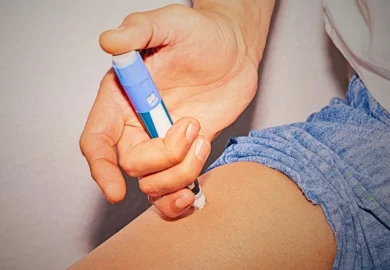
Because many of these products come in multi-dose vials rather than the prefilled pens used by FDA-approved versions, patients are left to measure and self-administer doses. In some cases, compounders provided dosing instructions in non-standard units, making accurate measurement difficult for both patients and healthcare providers. The FDA has confirmed that dosing errors have occurred on the part of patients and clinicians alike.
Illinois Product Liability Law and Counterfeit GLP-1 Drug Claims
Under Illinois product liability law, multiple parties in the chain of a defective product’s distribution may bear legal responsibility when that product causes harm. This area of law is designed to hold accountable those who manufacture, distribute, or sell products that are unreasonably dangerous when they reach consumers.
In the context of counterfeit or unapproved GLP-1 drugs, theories of liability could include claims based on a manufacturing defect (the product was made improperly or contains harmful ingredients), a failure to warn (the patient received no adequate disclosure of the risks), or misrepresentation (the product was sold as something it was not). Under Illinois strict liability principles, a plaintiff does not necessarily need to prove that a seller was negligent. Rather, they need only establish that the product was defective and that the defect caused the injury.
The challenge in counterfeit drug cases is tracing the chain of distribution. Because fraudulent GLP-1 products often carry false pharmacy names or addresses, identifying who bears responsibility, whether a compounding operation, an online retailer, an intermediary distributor, or a foreign ingredient supplier, requires careful legal and investigative work. That complexity, however, does not mean injured patients are without recourse. An experienced dangerous product lawyer will investigate to help identify all potentially liable party.
It’s worth noting: not every adverse event from a GLP-1 drug gives rise to a product liability claim. Where the drug was obtained, whether it was legally compounded, what the patient was told, and how the injury occurred will determine whether a viable claim exists. An Illinois product liability attorney can evaluate those facts.
Frequently Asked Questions About Counterfeit GLP-1 Drugs and Illinois Legal Rights
Is it illegal to buy compounded GLP-1 drugs in Illinois?
Compounded GLP-1 drugs were legally permitted during the FDA-declared drug shortage period, but the FDA removed semaglutide from the shortage list in February 2025 and tirzepatide in December 2024. Following those removals, state-licensed pharmacies faced deadlines to stop compounding these drugs. Purchasing from an unlicensed source or obtaining a product that contains false labeling is a different matter. Those products are illegal, and the people who sold them may be liable for resulting harm.
Can I sue if I was harmed by a counterfeit GLP-1 drug I bought online?
If a product was misrepresented, for example, sold as a compounded medication from a licensed pharmacy when no such pharmacy was involved, an injured consumer may have claims under Illinois product liability law, consumer fraud statutes, or both. The circumstances of your purchase and your injury matter significantly, and a qualified mass tort attorney can assess whether a viable claim exists.
What if I don’t know exactly where my GLP-1 drug came from?
This is common in counterfeit drug cases, and it’s one of the reasons legal counsel matters. An attorney experienced in product liability can help trace the source of a product through labeling, shipping records, credit card transactions, and other evidence. The difficulty of identification does not automatically bar a claim, but it does underscore the importance of acting sooner rather than later while evidence is available.
Talk to a Chicago Product Liability Attorney About Your GLP-1 Injury
Chicagoans harmed by counterfeit or unapproved GLP-1 drugs need to understand their legal options, not generalities, but an honest evaluation of their specific situation. Illinois product liability law exists precisely to provide injured consumers a path to accountability when a defective or fraudulent product causes real harm.
If you or someone you know suffered an injury connected to a counterfeit, compounded, or unapproved GLP-1 weight-loss drug, contact Ankin Law today. Call our Chicago office at 312-600-0000 for a free, confidential case review.