The Illinois Department of Public Health and the DuPage County Health Department recently launched an investigation into a cluster of Legionnaires’ disease cases at the Alden Valley Ridge Rehabilitation and Health Center in Bloomingdale, Illinois. This outbreak serves as a stark reminder of the risks vulnerable populations face when nursing homes fail to properly maintain their water systems and infection control protocols.
Table of Contents
If your loved one has been affected by a Legionnaires’ disease outbreak at a nursing home or long-term care facility, understanding your rights and the facility’s obligations is critical. Nursing homes owe residents a duty of care, and when that duty is breached, families may have grounds to pursue legal action.
If your loved one has been harmed by a Legionnaires’ disease outbreak at an Illinois nursing home, call Ankin Law at 312-600-0000 for a free consultation. Our experienced personal injury attorneys will fight to hold negligent facilities accountable.
What Happened at the Bloomingdale Facility?
The Illinois Department of Public Health investigated two Legionnaires’ disease cases at the Alden Valley Ridge facility, with illness onsets within one month of each other. Both affected individuals have since recovered, but the incident raised serious concerns about water safety in long-term care facilities.
Environmental testing by IDPH staff detected Legionella pneumophilia bacteria within the facility, including samples collected from a patient’s room and the facility’s cooling tower. The presence of the bacteria in multiple locations within the building confirmed that internal water systems had been compromised, allowing infectious aerosols to pose a risk to residents, staff, and visitors.
State officials immediately ordered the facility to implement water restrictions and mandated that residents, families, and staff be notified about the outbreak. The facility was also required to conduct a comprehensive assessment of its water systems and follow remediation procedures to eliminate the contamination.
Health officials issued a public alert urging anyone who visited or was within two miles of the facility during the preceding month to seek immediate medical attention if they experienced pneumonia symptoms.
Understanding Legionnaires’ Disease
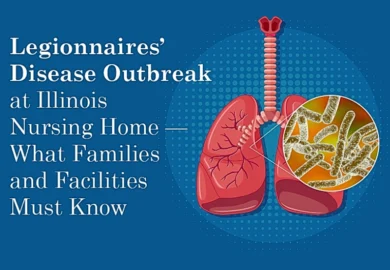
Legionnaires’ disease is a type of severe pneumonia caused by Legionella bacteria, treatable with antibiotics. The bacteria occur naturally in the environment but become a health hazard when they grow and spread in human-made water systems such as cooling towers, hot water tanks, showers, hot tubs, decorative fountains, and large plumbing systems.
The disease is contracted when people inhale water droplets contaminated with the bacteria. It is not transmitted from person to person, but it can spread quickly in settings with complex water systems like nursing homes, hospitals, hotels, and cruise ships.
Who Is Most at Risk?
Legionnaires’ disease poses the greatest danger to certain populations. People at increased risk include older adults, smokers, individuals with chronic health conditions like diabetes or lung disease, and those with weakened immune systems due to medications or treatments such as chemotherapy or organ transplants.
Nursing home residents are particularly vulnerable because they often meet multiple risk criteria. They are typically older, may have underlying health conditions, and their immune systems may be compromised. Additionally, residents in long-term care facilities are regularly exposed to water through daily showers, nebulizers, and proximity to cooling systems.
Why Do Legionnaires’ Outbreaks Happen in Nursing Homes?
Legionnaires’ disease outbreaks in nursing homes typically result from failures in facility maintenance and infection control. Common contributing factors include inadequate water management plans or failure to follow existing protocols, poor maintenance of cooling towers and HVAC systems that can spread contaminated water droplets, insufficient disinfection protocols such as neglecting chlorine treatments, stagnant water in rarely used pipes or storage tanks that foster bacterial growth, and failure to conduct routine water testing that would allow for early detection.
Illinois law requires nursing homes to have a Legionella testing plan that specifies how frequently tests will be conducted. Results must be available to the Illinois Department of Public Health upon request. When facilities fail to comply with these requirements or fail to act on testing results, residents are placed in danger.
What Should Families Do If a Loved One Is Affected?
If you suspect your loved one has been exposed to Legionnaires’ disease at a nursing home, taking immediate action is essential. First, ensure your loved one receives prompt medical care. Legionnaires’ disease symptoms include cough, shortness of breath, headache, muscle aches, and fever. Early treatment reduces the severity of the illness and improves recovery chances.
Request full transparency from the facility about what steps they are taking to remediate the outbreak, whether other residents are affected, and how they are ensuring ongoing safety. Document everything, including your loved one’s medical diagnosis, treatment records, symptoms, and communications from the nursing home. Keep copies of all medical bills and related expenses.
Report the case to the Illinois Department of Public Health if an investigation is not already underway. Timely reporting allows health officials to identify additional cases and control contaminated sources.
Finally, consult a Legionnaires’ disease lawyer who handles nursing home negligence cases. Nursing homes have a legal duty to provide a safe environment, and if their negligence contributed to the outbreak, your family may be entitled to compensation.
Holding Facilities Accountable
Nursing homes in Illinois are required to provide a safe, clean, and healthy environment for residents. This includes maintaining properly functioning water systems, conducting regular testing for Legionella and other contaminants, training staff to recognize and respond to illness quickly, following infection control protocols, and promptly notifying families and health officials when outbreaks occur.
When facilities cut corners on maintenance, ignore warning signs, or fail to follow established safety protocols, they must be held accountable. Legal action not only provides compensation for affected families, but also sends a message that negligence will not be tolerated and helps prevent future outbreaks that could harm other vulnerable residents.
At Ankin Law, our Chicago-based personal injury attorneys have extensive experience representing families whose loved ones have been harmed by nursing home negligence. We understand the challenges these cases present and work with medical experts, water safety specialists, and facility management professionals to build strong cases on behalf of our clients. Contact us today at 312-600-0000 to discuss your situation and next steps.