When evidence conflicts after a Chicago car accident, insurance companies often delay decisions, dispute liability, or reduce settlement offers while they investigate the inconsistencies. Conflicting evidence after a crash may involve different witness accounts, contradictory driver statements, inconsistent medical records, surveillance footage that does not fully match testimony, or disputes regarding how the collision occurred.
Table of Contents
Once insurance companies begin reviewing the case, even small inconsistencies with evidence may become major issues during the claims process. Insurance adjusters frequently look for contradictions that allow them to question fault, minimize injuries, or challenge the credibility of the people involved.
Fortunately, conflicting evidence does not automatically prevent you from recovering compensation. Strong documentation, early investigation, and reliable supporting evidence may help clarify disputed facts and strengthen your claim.
If you are dealing with conflicting evidence after a Chicago crash, contact Ankin Law at 312-600-0000 to discuss your legal options.
Key Takeaways
- Conflicting evidence after a crash may delay insurance investigations and settlement negotiations.
- Insurance companies often use inconsistencies to dispute liability or reduce compensation.
- Physical evidence, witness statements, photographs, and crash reports may help resolve disputes.
- Even minor contradictions can affect how insurers evaluate credibility.
- Early evidence preservation may strengthen your injury claim.
Why Does Evidence Conflict After a Car Accident?
Conflicting evidence is more common after car accidents than many people realize. Crashes happen suddenly, often leaving drivers and witnesses stressed, injured, or confused about exactly what occurred.
Different people may honestly remember events differently because of:
- Shock or adrenaline
- Limited visibility
- Poor weather conditions
- Traffic congestion
- Fast-moving events
- Obstructed views
- Distractions before impact
For example, one witness may believe a driver ran a red light while another believes the signal changed too quickly to determine fault clearly.
Conflicts may also arise because drivers unintentionally provide incomplete information immediately after the collision. In more serious situations, a driver may intentionally change their story to avoid blame or financial responsibility.
Insurance companies understand that memories can become inconsistent after stressful events. However, insurers also carefully examine these contradictions because inconsistencies with evidence may create opportunities to dispute claims or assign shared fault.
How Do Insurance Companies Handle Conflicting Evidence?
When evidence conflicts after a Chicago car accident, insurance companies usually conduct more extensive investigations before deciding liability.
Adjusters may:
- Review recorded statements
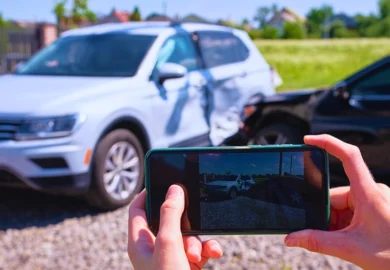
- Analyze photographs
- Examine vehicle damage
- Interview witnesses
- Request medical documentation
- Inspect surveillance footage
- Consult accident reconstruction experts
The insurance company’s goal is not simply to determine what happened. Insurers also focus heavily on limiting financial exposure whenever possible. As a result, adjusters may emphasize inconsistencies aggressively during the investigation process.
For example, if your statement about the accident differs slightly from a witness account or medical record, the insurer may argue your memory is unreliable or your injuries are exaggerated.
Insurance companies frequently use these tactics during a car accident insurance claim because disputed evidence may provide leverage for reducing settlement offers. This becomes especially important in serious injury cases where financial damages are substantial.
Can Small Inconsistencies Hurt Your Injury Claim?
Even relatively small inconsistencies may affect how insurance companies evaluate your credibility.
For example, insurers may question why:
- A witness estimated a different speed
- Your medical records describe pain differently
- Your timeline changed slightly
- Photographs appear inconsistent with statements
- Prior injuries were not initially disclosed
Minor inconsistencies do not always destroy a claim. Human memory is imperfect, especially after traumatic events. However, insurance companies often exaggerate these issues strategically to reduce compensation.
Adjusters may argue that inconsistent evidence means:
- Your injuries are exaggerated
- Fault is unclear
- Another driver shares responsibility
- Witnesses are unreliable
- Medical treatment was unnecessary
The more serious the injury claim becomes, the more aggressively insurers may scrutinize even minor contradictions. This is why consistent communication, accurate medical documentation, and careful evidence preservation are important after a collision.
What Evidence Helps Resolve Conflicting Accident Stories?
Objective evidence often becomes the most valuable tool for resolving disputed accident claims.
Evidence that may help clarify conflicting accounts includes:
- Traffic camera footage
- Dashcam recordings
- Surveillance video
- Black box vehicle data
- Crash reconstruction analysis
- Photographs from the scene
- Skid marks and debris patterns
- Independent witness testimony
Visual evidence is especially persuasive because it may show the collision directly rather than relying solely on personal recollections.
Vehicle damage patterns may also help explain how the crash occurred. For example, impact angles sometimes contradict a driver’s description of lane positions or turning movements.
Electronic vehicle systems may reveal:
- Speed
- Braking activity
- Steering inputs
- Seatbelt usage
- Time of impact
Strong evidence may also help prove you are not at fault if another driver changes their story or attempts to shift blame unfairly.
The sooner this evidence is preserved, the more effective it may become during negotiations or litigation.
Does the Police Report Decide Who Was at Fault?
A police report may provide important information, but it does not automatically determine legal fault.
An official crash report may include:
- Driver statements
- Witness contact information
- Officer observations
- Traffic citations
- Road conditions
- Weather conditions
- Preliminary fault assessments
Insurance companies often review police reports closely because they create an early record of the accident scene and involved parties. However, police officers usually do not witness the crash firsthand. They often rely on statements provided by drivers and witnesses after the accident already occurred. This means the report itself may contain incomplete or conflicting information if the people involved gave inconsistent accounts.
Additional evidence may still be necessary to determine exactly how the accident happened. In some cases, later evidence such as surveillance footage, electronic vehicle data, or accident reconstruction analysis may contradict portions of the police report entirely.
Should You Give a Recorded Statement if Evidence Is Disputed?
Insurance adjusters often request recorded statements early in the claims process while injured drivers are still shaken up or receiving medical treatment. If you talk to the insurance adjuster, even small wording differences or incomplete explanations may later be used to challenge your credibility.
For example, adjusters may compare your statement against:
- Medical records
- Witness testimony
- Police reports
- Surveillance footage
- Social media activity
Any inconsistency may become part of the insurer’s argument that your account is unreliable. This becomes especially problematic when injuries worsen over time or new evidence emerges after the initial statement was given. Carefully documenting the accident and avoiding speculation about unknown details may help reduce unnecessary contradictions later.
When Should You Contact a Lawyer About Conflicting Evidence?
Disputed evidence often makes car accident claims more complicated.
You may want to speak with experienced car accident attorneys if:
- Drivers provide conflicting stories
- Witness accounts differ
- The insurer disputes fault
- Surveillance footage exists
- Serious injuries are involved
- Settlement offers seem unfair
- The insurance company questions credibility
Attorneys may help gather evidence, preserve documentation, communicate with insurers, and challenge inaccurate liability arguments. In some cases, legal representation may also help obtain surveillance footage, electronic vehicle data, or expert analysis before important evidence disappears.
When evidence conflicts after a Chicago car accident, insurance companies often use those inconsistencies to delay claims or reduce compensation. However, conflicting evidence after a crash does not automatically prevent recovery. Strong documentation, reliable evidence, and early investigation may help resolve disputes and strengthen your injury claim.
If you are dealing with inconsistency with evidence after a Chicago collision, contact Ankin Law at 312-600-0000.